
Publishing a serialized story: How to make the series succeed
Publishing a serialized story essentially means uploading your short story chapter by chapter to a reading and listening platform, optionally as a professionally narrated audiobook, thereby gaining readers, listeners and revenue piece by piece. Platforms like OutaStory consolidate this exact process. Before you upload the first installment, it's worth taking a look at your statutory disclosure rights under copyright law, as they affect any remuneration agreement you enter into.
In short:
- Serial releases foster engagement because they ensure regular listening and reading frequencies and increase attention through cliffhangers.
- A weekly or biweekly release rhythm is ideal for keeping the series present, but it requires a stable production lead.
- For success, chapters of 10 to 25 minutes listening time, tension-filled genres and cliffhangers at the end are decisive.
- When uploading, rights, technical format, chapter planning and narrators should be clarified carefully to meet legal and quality standards.
- Platforms like OutaStory offer an easy solution for chapter-by-chapter uploading, narration and direct revenue sharing with a fee of 8 percent.
Table of contents
- Why serialized releases work
- Before uploading: Checklist for rights, format and chapter planning
- Upload chapters, set schedule, manage versions
- Gain readers and build revenue
- OutaStory: Publish series, use revenue sharing
- FAQ
- Sources
Why serialized releases work
Telling a story in installments isn't a marketing gimmick; it changes how people read and listen. Episodic formats strengthen engagement because each installment creates a new opportunity to return, and this exact logic is described in an industry analysis of episodic audio series: Regular releases create long-term listener engagement that a single, standalone text does not achieve.
The market behind it is growing. Audiobook revenue increased by 7.3 percent year-on-year in 2024, driven by digital channels such as downloads and streaming. For authors entering the field, this is a signal: digital serial formats meet a market that is growing precisely in that direction.
Not every story is equally suitable for serialization. A few characteristics make the difference:
- Chapters of about 10 to 25 minutes listening time hold attention without tiring.
- A cliffhanger at the end of a chapter gives the next installment a reason to be clicked.
- Genres with high emotional tension, such as thriller, romantasy or horror, are especially suited to serials.
These points often determine the success of a series more than the pure quality of the text.
Before upload: Checklist for rights, format and chapter planning
Before the first installment goes online, a short but thorough preparation is worthwhile. Four steps should be determined before you upload anything:
- Check carefully which usage rights you grant a platform, and keep in mind that when granting rights for payment you have a statutory right to an annual statement on use and revenues.
- Create a chapter plan: titles, length, metadata and a release schedule that you can stick to even under time pressure.
- Decide between professional narration and your own voice, as both have their costs, both literally and figuratively.
- Prepare the technical side: file format, bitrate, a cover image and a short, pointed description that makes people want the rest.
There is no universal answer when it comes to the audio decision. Professional narrators bring pacing, emphasis and a voice that sustains longer series, but they require more preparation and coordination. Your own voice is immediately available and personal, but requires discipline regarding recording quality and pacing. If you choose a studio or a freelance narrator, copyright law also provides that performing artists have a right to appropriate remuneration for the public performance of their recording.
Pro tip: Finish the final chapter of a season before you publish the first part, otherwise the schedule will later force you into compromises.
Upload chapters, set schedule, manage versions
The actual publishing process is mechanical, but the order determines the impression readers get. Each chapter is uploaded as its own file with its own metadata, not as a long document that is cut up later. This gives you control over the title, description and publication date per installment, and this exact structure is described by OutaStory in its explanation of serialized stories.
The rhythm in which new chapters appear shapes engagement more strongly than many authors initially think:
- A weekly cadence keeps the series present, but requires a stable production lead.
- A biweekly rhythm gives more room for narration and editing without losing momentum.
- A monthly cadence is suitable for elaborately produced audiobook chapters, but risks listeners falling behind.
Published chapters are therefore not set in stone. Typos or small inconsistencies can be corrected afterwards without having to reissue the series. For readers and listeners, the feature that tracks progress is important: whoever pauses an episode can later continue exactly where they left off, which, especially for longer audiobook chapters, makes the difference between abandoning and completing the series.
When integrating audio, a final quality check before publication is worthwhile: chapter markers set correctly, volume matched between episodes, and if working with a studio or a narrator a brief check whether pronunciation and pacing match the previous episode.
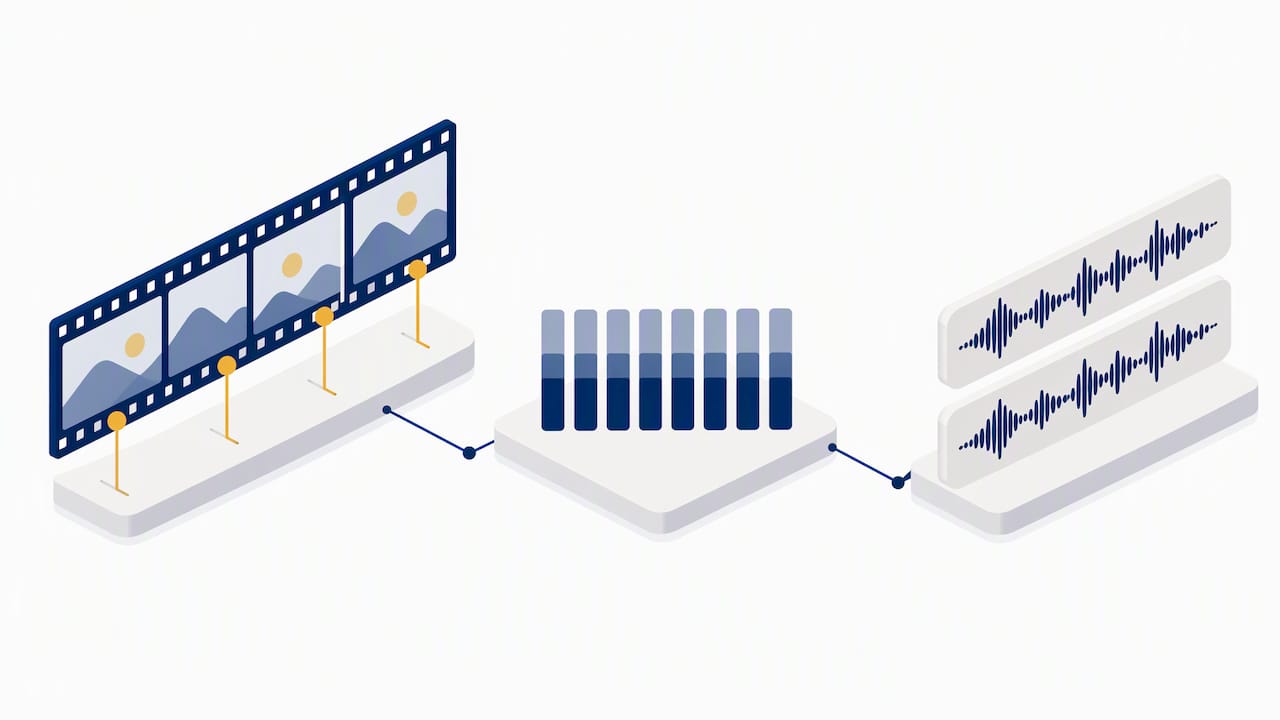
Pro tip: Listen to the last 30 seconds of the previous episode again immediately before mastering the new episode; small volume or tempo differences otherwise only become apparent in the final upload.
Gain readers and build revenue
A series lives from return visits, and this can be specifically encouraged. Teasers and short cliffhanger snippets on social networks work better for serialized stories than for standalone texts because they pose an open question that only the next episode answers. A newsletter that announces each new release keeps even irregular readers in sync with the series' rhythm.
When it comes to monetization, it's worth looking at several models at once:
- Free first episodes spark interest before later parts are tied to a subscription or revenue share.
- Premium subscriptions for unlimited listening and offline access open up an audience that consumes regularly.
- A revenue share via platforms like OutaStory lets authors directly participate in the income generated by their published stories.
For context, take a look at the metrics that really matter for series: retention per episode, i.e. how many listeners move from one part to the next, the conversion rate to paying users and the completion rate with which a series is actually listened to through to the last chapter. Cross-promotion with podcasts or thematically related communities can bring additional reach, especially if the story's genre matches the partner's audience.
OutaStory: Publish series, use revenue sharing
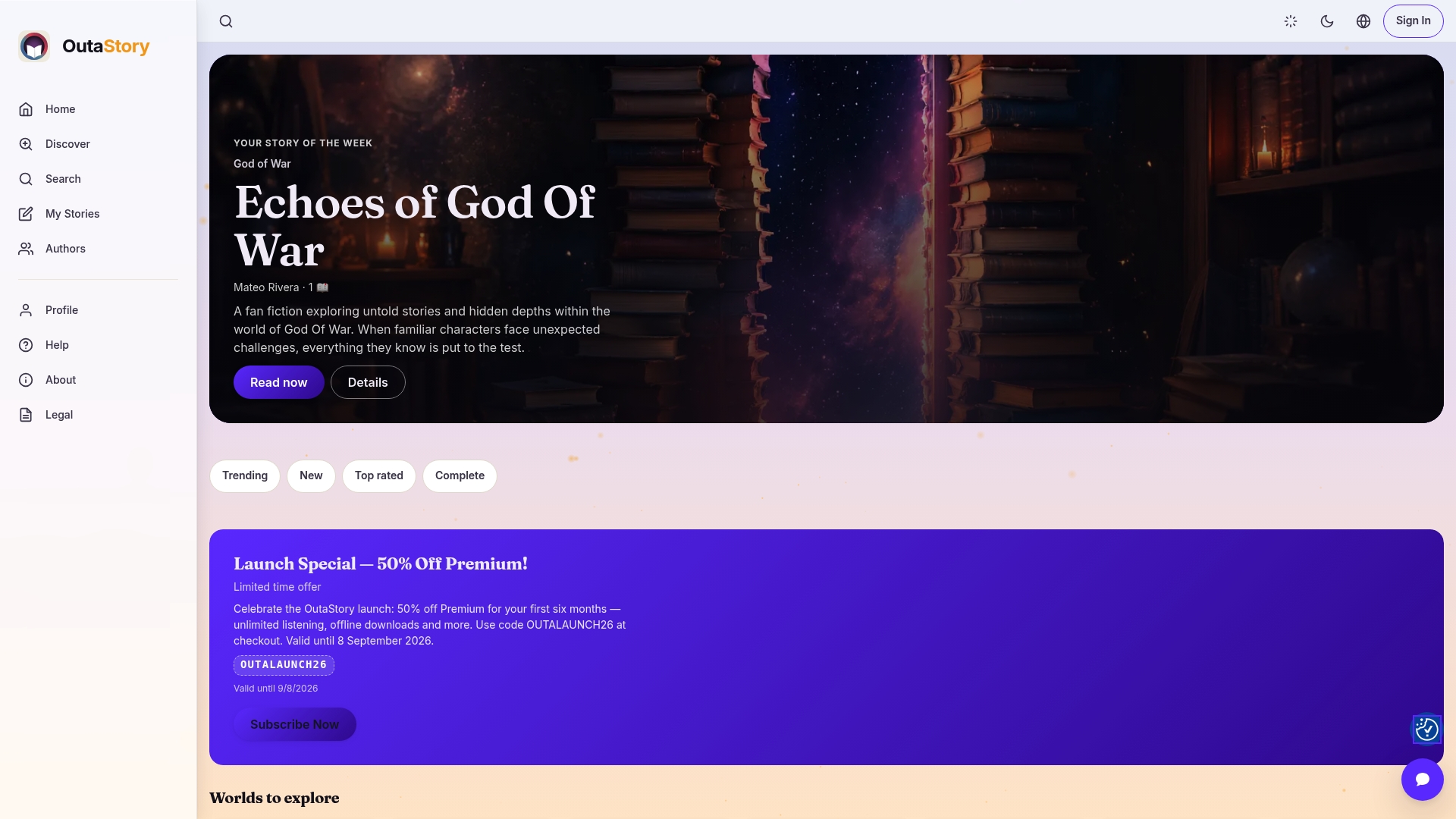
A platform bundles exactly the steps a serialized story needs: chapter-by-chapter upload, narrated or with your own voice, readable and listenable at the same time. That saves you the search for separate tools for text and audio.
- Chapters can be uploaded individually and scheduled with their own publication date.
- Stories can run with professionally produced voices or with the author's own voice.
- A revenue share lets you participate directly in the earnings of your published stories, minus a platform fee of 8 percent.
- Help articles explain step by step how to create a series or hire a professional narrator.
Those who publish regularly and seek extended features like unlimited listening or offline use can find the details about the Premium membership directly on the corresponding page. Create your first episode and see for yourself how quickly a chapter becomes a series.
FAQ
What does it mean to publish a serialized story?
It means publishing a short story in multiple chapters instead of as a single text, usually on a set schedule and optionally as an audiobook. Readers and listeners follow the story over several installments instead of reading everything at once.
What rights do I have as an author regarding compensation?
If you grant rights for payment, you have a statutory right to an annual statement on the use and revenues of your work. If an agreed remuneration results in a disproportionately low outcome, you can also request an adjustment of the contract.
Can I edit a published chapter afterwards?
Yes, once-published chapters can usually be corrected, for example for typos or small content adjustments. The series does not need to be reissued, and previous readers usually won't notice the change.
How do I find the right release schedule for my series?
It depends on your production speed: weekly episodes keep the series present but require a stable lead time for text and audio production. A biweekly or monthly rhythm gives more time for editing and audio production without completely losing engagement.
What do I earn with a serialized story on OutaStory?
You participate in a revenue share from which a platform fee of 8 percent is deducted. The exact amount you earn depends on how many readers and listeners your story reaches and how far they progress through the series.
Sources
- § 32d UrhG – Duty to provide information
- Buchmarkt
- Dossier Publishers 2024 – Audiobook market (Börsenverein)
Recommendations
- Publish a series
- Write your first story
- Edit an already published story
- Read a series in the correct order
Read and write on OutaStory
Thousands of short stories to read for free — or publish your own and find an audience.