Kurzgeschichten für Erstleser: Wo Sie sofort passenden Lesestoff finden
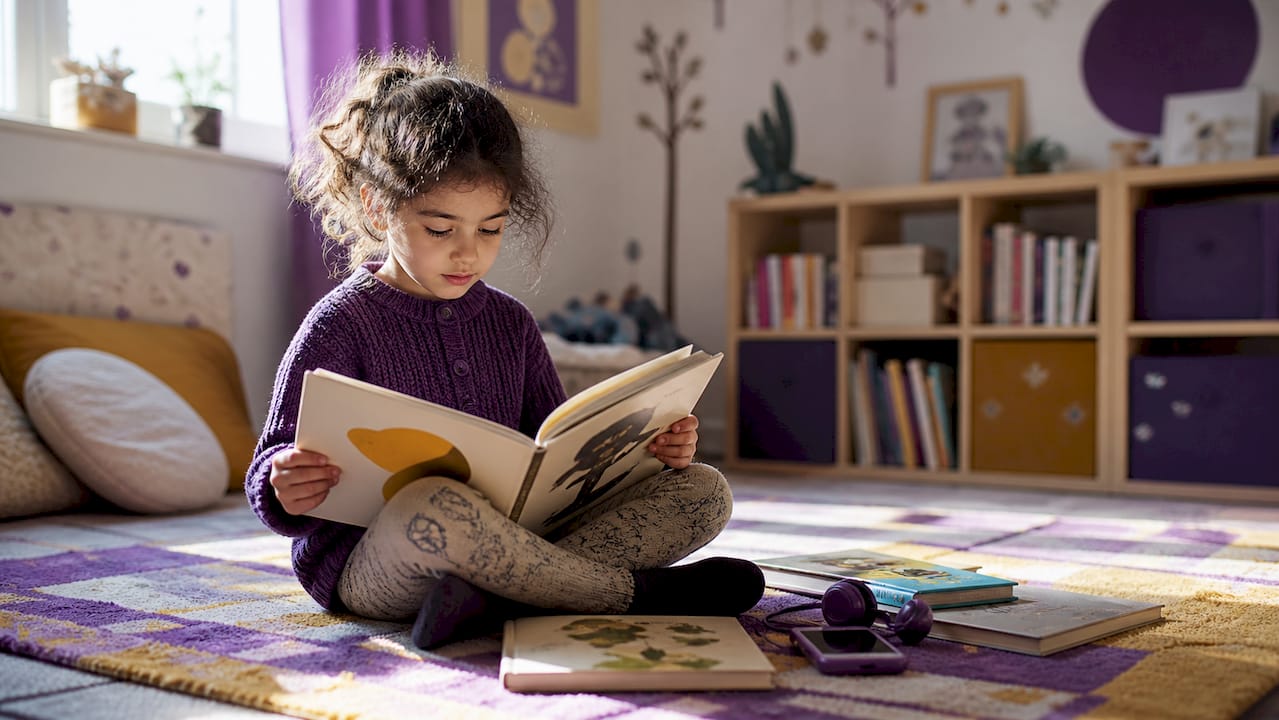
Die besten Kurzgeschichten für Erstleser finden Sie in altersgestuften Sammlungen mit großer Fibelschrift, Silbentrennung, kurzen Sätzen und optionalen Hörbüchern. Diese Formate eignen sich sofort zum Vorlesen und zum selbstständigen Lesen. Kinder in der 1. und 2. Klasse brauchen Texte, die auf der Silbenmethode aufbauen und mit vielen Illustrationen arbeiten, damit sie nicht an jedem zweiten Wort hängenbleiben.
Drei Wege führen Sie am schnellsten zu passendem Material. Institutionelle Anbieter wie Stiftung Lesen stellen kostenlose Downloads mit Begleitmaterial bereit. Lehrmittelreihen aus dem Buchhandel, etwa aus dem Umfeld von Loewe Verlag oder Ravensburger, liefern gedruckte Erstlesebände mit geprüfter Silbentrennung. Und digitale Plattformen wie Outastory ergänzen beides um Hörversionen, die das Worterkennen zusätzlich unterstützen.
Für den Alltag heißt das konkret:
- Zum Ausdrucken: kostenlose PDFs von Bildungsinitiativen, ideal für Arbeitsblätter und Hausaufgaben.
- Zum Üben: gedruckte Erstlesebücher mit Fibelschrift, gut für tägliche Leseeinheiten.
- Zum Hören: Audioformate, die schwächeren Lesern beim Worterkennen helfen, ohne dass sie sich allein durchkämpfen müssen.
Wichtige Erkenntnisse
Gute Erstleser-Kurzgeschichten kombinieren große Fibelschrift, kurze Sätze, Silbentrennung und Illustrationen mit Hörangeboten, die das selbstständige Lesen zusätzlich absichern.
| Thema | Details |
|---|---|
| Formatmerkmale prüfen | Achten Sie auf Fibelschrift, kurze Sätze, Silbenmarkierung und Kapitel mit einem überschaubaren Umfang. |
| Kostenlose Quellen nutzen | Stiftung Lesen und bpb.de bieten Downloads mit Lesestufendifferenzierung und Begleitmaterial an. |
| Gedruckte Reihen einsetzen | Leselöwen, Leserabe und Zwergenstark eignen sich für die tägliche Übungszeit zuhause und im Unterricht. |
| Vorleseablauf strukturieren | Ein Zehn-Minuten-Block mit Einstieg, gemeinsamem Lesen und Leserätsel hält die Konzentration hoch. |
| Digital ergänzen mit Outastory | Kostenloses Lesen und Anhören im Kinderbereich unterstützt gezielt die Worterkennung beim Selberlesen. |
Inhaltsverzeichnis
- Sammlungen und Quellen für Erstlesegeschichten im Überblick
- Woran erkennt man eine gute Erstleser-Kurzgeschichte?
- Wie setzen Sie Kurzgeschichten beim Vorlesen und Lernen ein?
- Konkrete Titel und Sammlungen zum sofortigen Einsatz
- Wie unterstützt Outastory das Lesenlernen konkret?
- So starten Sie mit Outastory in wenigen Minuten
- Quellen
- FAQ
Sammlungen und Quellen für Erstlesegeschichten im Überblick
Nicht jede Quelle passt zu jeder Situation. Manche Eltern brauchen sofort etwas zum Ausdrucken, andere Lehrkräfte suchen eine ganze Reihe für das Schuljahr. Drei Kategorien decken die gängigsten Bedürfnisse ab.
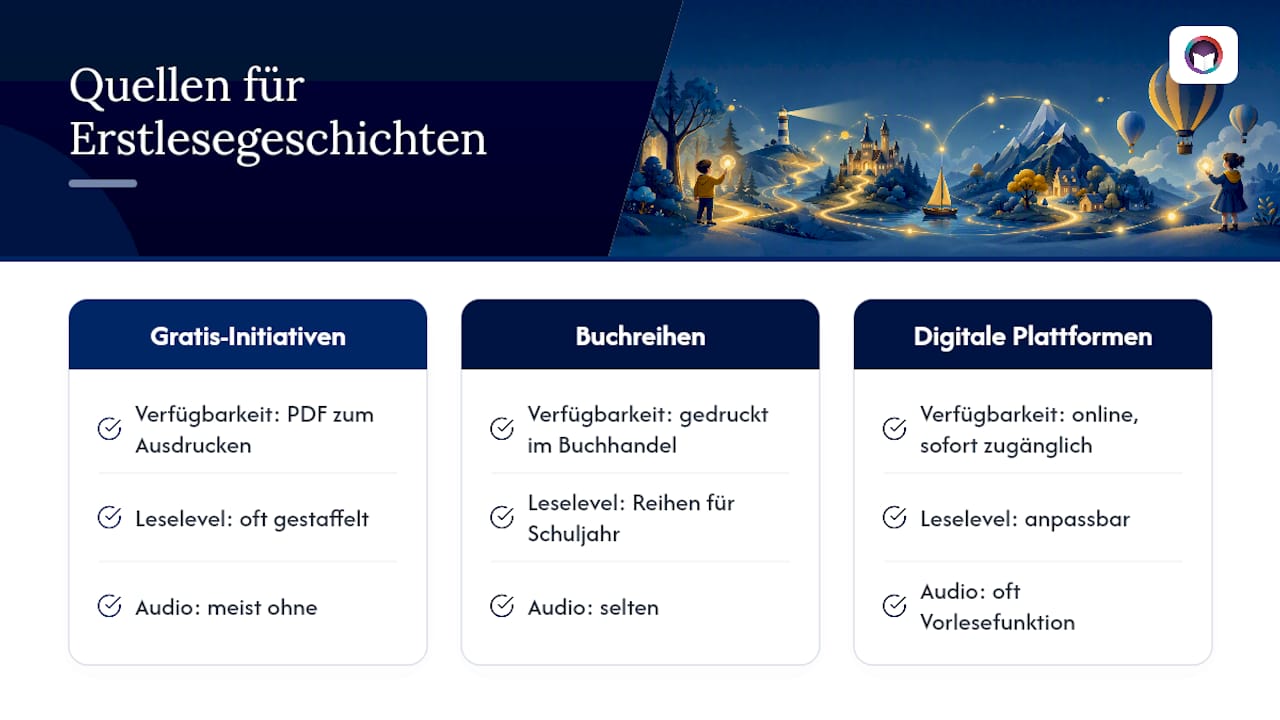
Kostenlose Materialien von Bildungsinitiativen
Stiftungen und Bildungsportale bieten oft die schnellste Lösung, wenn Sie sofort etwas in der Hand haben wollen. Das Leserabe Geschichten-Spiel der Stiftung Lesen bietet zum Beispiel zwei Geschichten in jeweils zwei Differenzierungsstufen zum kostenfreien Download, inklusive Begleitmaterial für den Unterricht. Das ist besonders praktisch, wenn eine Klasse aus Kindern mit sehr unterschiedlichem Lesetempo besteht: Sie geben schwächeren Lesern die einfachere Stufe, ohne dass es auffällt.
Auch Bpb und liefert dazu Hinweise zur didaktischen Nutzung. Wer im Unterricht mit wechselnden Themen arbeitet, findet hier oft aktuelleren Stoff als in klassischen Lehrwerken.
Gedruckte Erstlesereihen aus dem Buchhandel
Reihen wie Leselöwen (Loewe Verlag) oder Leserabe (Ravensburger) gehören zum festen Bestand deutscher Grundschulklassen, aus gutem Grund. Sie arbeiten mit extra großer Fibelschrift, farbiger Silbenmarkierung und kurzen Kapiteln von zwei bis drei Seiten. Zwergenstark verfolgt einen ähnlichen Ansatz mit klar gestuften Leseniveaus.
Diese Bände eignen sich besonders gut für den täglichen Übungsblock zuhause, weil Kinder den Fortschritt physisch sehen: ein Buch, das langsam dünner wird, motiviert anders als eine lose PDF-Sammlung. Viele dieser Reihen integrieren am Ende jeder Geschichte ein Leserätsel als didaktisches Element, mit dem Kinder ihr Verständnis selbst überprüfen können.
Digitale Plattformen mit Hörfunktion
Digitale Angebote lösen ein Problem, das gedruckte Bücher nicht lösen können: Was passiert, wenn ein Kind allein liest und bei einem Wort feststeckt? Interaktive Online-Formate kombinieren visuellen und akustischen Input, was Lesemotivation und Verständnis gleichzeitig fördert. Interaktive Leserätsel geben dabei sofortiges Feedback, ohne dass eine erwachsene Person daneben sitzen muss.
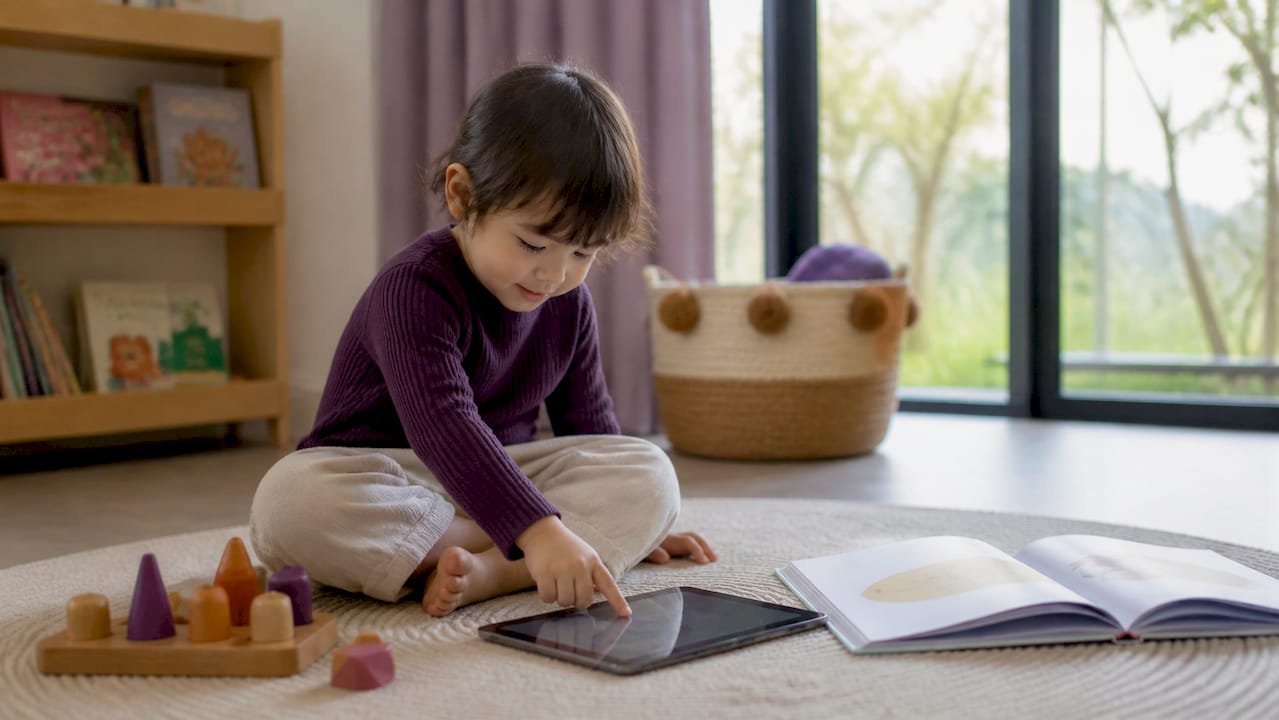
Outastory setzt genau hier an. Geschichten lassen sich kostenlos lesen oder als Hörbuch abspielen, teils mit professionell produzierten Stimmen, teils mit der Stimme der Autorin oder des Autors selbst. Der eigene Kinderbereich mit Gute-Nacht-Geschichten, Tierabenteuern und ersten Reimen bietet damit eine Ergänzung zu Print, die Kinder auch außerhalb der Schulzeit freiwillig nutzen.
Kurz zusammengefasst, wonach Sie je nach Situation greifen sollten:
- Schnell und kostenlos: Downloads von Stiftung Lesen oder bpb.de für den sofortigen Unterrichtseinsatz.
- Für die tägliche Übung: gedruckte Reihen wie Leselöwen, Leserabe oder Zwergenstark mit klarer Lesestufenangabe.
- Für die Motivation zwischendurch: digitale Angebote mit Hörfunktion, die auch ohne Aufsicht funktionieren.
Woran erkennt man eine gute Erstleser-Kurzgeschichte?
Nicht jeder Text mit kurzen Sätzen ist automatisch erstlesertauglich. Ein paar konkrete, messbare Merkmale trennen brauchbares Material von gut gemeintem, aber überforderndem Stoff.
Die wichtigsten Kernmerkmale lassen sich schnell prüfen:
- Extra große Fibelschrift: Kinder in der 1. Klasse brauchen deutlich größere Buchstaben als geübte Leser, meist ab 16 Punkt aufwärts.
- Kurze Sätze: Ein Hauptsatz pro Zeile ist die Faustregel, verschachtelte Nebensätze gehören noch nicht in Erstlesetexte.
- Silbentrennung oder farbige Silbenmarkierung: Farbige Markierung von Silben oder Buchstabengruppen erleichtert das Erfassen von Wortteilen erheblich.
- Hoher Illustrationsanteil: Bilder tragen einen Teil der Handlung, das entlastet den Text selbst.
Bei der Länge gibt es ebenfalls Richtwerte, die sich in der Praxis bewährt haben. Typische Erstlesekapitel umfassen etwa zwei bis drei Seiten, mit Fokus auf einfachen Lautverbindungen statt komplexer Wortbildungen. Eine einzelne Geschichte sollte sich in fünf bis zehn Minuten bewältigen lassen, sonst verliert das Kind die Motivation, bevor es am Ende ankommt.
Didaktische Extras machen den Unterschied zwischen einem netten Text und einem wirklich brauchbaren Lernmaterial. Leserätsel oder Verständnisfragen am Schluss sind mittlerweile Standard in guten Erstlesebänden. Ebenso wichtig: Differenzierungsstufen, die denselben Stoff in zwei Schwierigkeitsgraden anbieten, wie es das Leserabe Geschichten-Spiel vormacht.
Profi-Tipp: Beim Ausdrucken von PDF-Material lohnt sich ein kurzer Test vorab: Drucken Sie eine Seite testweise aus und prüfen Sie, ob die Schriftgröße auch auf Papier noch groß genug wirkt. Digitale Voransichten täuschen oft über die tatsächliche Lesbarkeit hinweg.
Wie setzen Sie Kurzgeschichten beim Vorlesen und Lernen ein?
Der Ablauf zum Vorlesen dauert idealerweise nicht länger als zehn Minuten, sonst kippt die Konzentration. Ein bewährtes Muster:
- Kurzer Einstieg über das Bild auf der ersten Seite: Was könnte passieren?
- Gemeinsames Lesen, wobei das Kind einzelne Wörter oder Sätze übernimmt.
- Ein bis zwei Gesprächsimpulse während der Geschichte, keine Verhörsituation.
- Leserätsel oder Verständnisfrage am Ende zur Selbstkontrolle.
Der Übergang vom Vorlesen zum echten Selberlesen gelingt selten abrupt. Lesefluss-Übungen mit Audio-Unterstützung helfen dabei, weil das Kind mitlesen kann, während es zuhört. Die Lesepartner-Technik, bei der ein geübterer Leser abwechselnd mit dem Kind liest, funktioniert sowohl zuhause mit Geschwistern als auch im Klassenzimmer. Lautes Lesen in kleinen Etappen, etwa Absatz für Absatz, verhindert Überforderung.
Im Unterricht braucht Differenzierung feste Werkzeuge, keine Ad-hoc-Lösungen:
- Zwei-Niveau-Ausgaben parallel einsetzen, wie sie das Leserabe-Modell vorschlägt.
- Zusatzaufgaben für schnellere Leser, etwa eigene Fortsetzungen schreiben.
- Gezielte Lautarbeit für Kinder, die noch mit einzelnen Buchstabenverbindungen kämpfen.
Eine 45-Minuten-Stunde lässt sich grob so aufteilen: zehn Minuten gemeinsames Vorlesen, fünfzehn Minuten Einzel- oder Partnerlesen, zwanzig Minuten Vertiefung mit Leserätseln und Wortschatz-Karten. Rollenspiele zur Geschichte oder eine Bildergeschichte als Schreibimpuls runden die Einheit ab, ohne dass es nach reiner Übung aussieht.
Konkrete Titel und Sammlungen zum sofortigen Einsatz
Wer nicht lange suchen will, findet hier eine handliche Auswahl, sortiert nach Einsatzzweck statt nach Verlag.
- Leserabe Geschichten-Spiel (Stiftung Lesen): Zwei Geschichten in zwei Lesestufen, kostenloser Download mit Begleitmaterial. Geeignet für die 1. Klasse, Format PDF, direkt einsatzbereit für Differenzierung im Unterricht.
- Leselöwen (Loewe Verlag): Klassische Erstleserreihe mit großer Fibelschrift und kurzen Kapiteln. Geeignet ab 6 Jahren, Format gedrucktes Buch, ideal für die tägliche Übungszeit zuhause.
- Leserabe (Ravensburger): Ähnlich aufgebaut wie die Stiftung-Lesen-Materialien, oft mit Rätselseiten am Kapitelende. Rezensionen solcher Bände nennen häufig Seitenumfang und Zielgruppenangaben ab der 1. Klasse, was die Auswahl im Buchhandel erleichtert.
- Zwergenstark: Reihe mit klar gestuften Lesestufen und Silbenmethode, gut geeignet für Kinder, die gerade erst mit dem Lesen beginnen.
- Erstleser-Kurzgeschichten mit Silbenmethode: Produktbeschreibungen solcher Bände zeigen kurze Sätze, farbige Silbentrennung und Illustrationen als gängige Merkmale, was sie für die erste Leseübung geeignet macht.
- Outastory Kinderbereich: Digitale Ergänzung mit Gute-Nacht-Geschichten und Tierabenteuern, kostenlos lesbar oder anhörbar, gut für Momente ohne gedrucktes Buch zur Hand.
Achten Sie bei der Auswahl vor allem auf Reihen mit klarer Lesestufendifferenzierung und begleitenden Arbeitsblättern, das spart Ihnen später Zeit bei der Unterrichtsvorbereitung. Ein vollständiger Verlagsvergleich bringt an dieser Stelle wenig, entscheidend ist, ob das Material zur aktuellen Lesestufe des Kindes passt und ob kostenlose Downloads mit Zusatzmaterial verfügbar sind.
Wie unterstützt Outastory das Lesenlernen konkret?
Outastory bringt eine digitale Ergänzung zu gedrucktem Erstlesematerial, die besonders bei der Audio-Unterstützung ihre Stärke ausspielt. Kinder können Geschichten kostenlos lesen oder anhören, mit professionell produzierten Stimmen oder der Stimme der Autorin oder des Autors selbst. Das hilft genau in dem Moment, in dem ein Kind allein liest und bei einem Wort feststeckt.
Die Plattform bietet dafür konkrete Anwendungsfälle:
- Vorlesen mit Audio: Eltern spielen eine Geschichte vor, während das Kind im Buch oder auf dem Bildschirm mitliest.
- Selbstleseübung mit Hörunterstützung: Das Kind hört mit, wenn es an einem Wort nicht weiterkommt, ohne dass Erwachsene eingreifen müssen.
- Leselisten für Klasse oder zuhause: Lehrkräfte oder Eltern stellen passende Geschichten aus dem Kinderbereich zusammen, sortiert nach Thema oder Länge.
Das Geschäftsmodell ist ein Freemium-Ansatz: Die Basisnutzung mit Lesen und Anhören bleibt kostenlos, ein Premium-Abonnement schaltet unbegrenztes Hören und Offline-Nutzung frei. Über den Kinderbereich hinaus deckt die Plattform auch Genres wie Fantasy, Krimi oder Science-Fiction ab und ist auf Deutsch und Englisch verfügbar, was sie auch für zweisprachig aufwachsende Kinder interessant macht.
Profi-Tipp: Nutzen Sie die Hörfunktion gezielt für Wörter, die Ihr Kind wiederholt falsch liest. Ein zweiter Durchgang mit Ton allein festigt die richtige Aussprache oft schneller als erneutes stilles Vorlesen.
So starten Sie mit Outastory in wenigen Minuten
Sie müssen kein Konto anlegen, um sofort loszulegen: Ein Klick auf Outastory genügt, um im Kinderbereich zu stöbern und die erste Geschichte kostenlos zu hören.
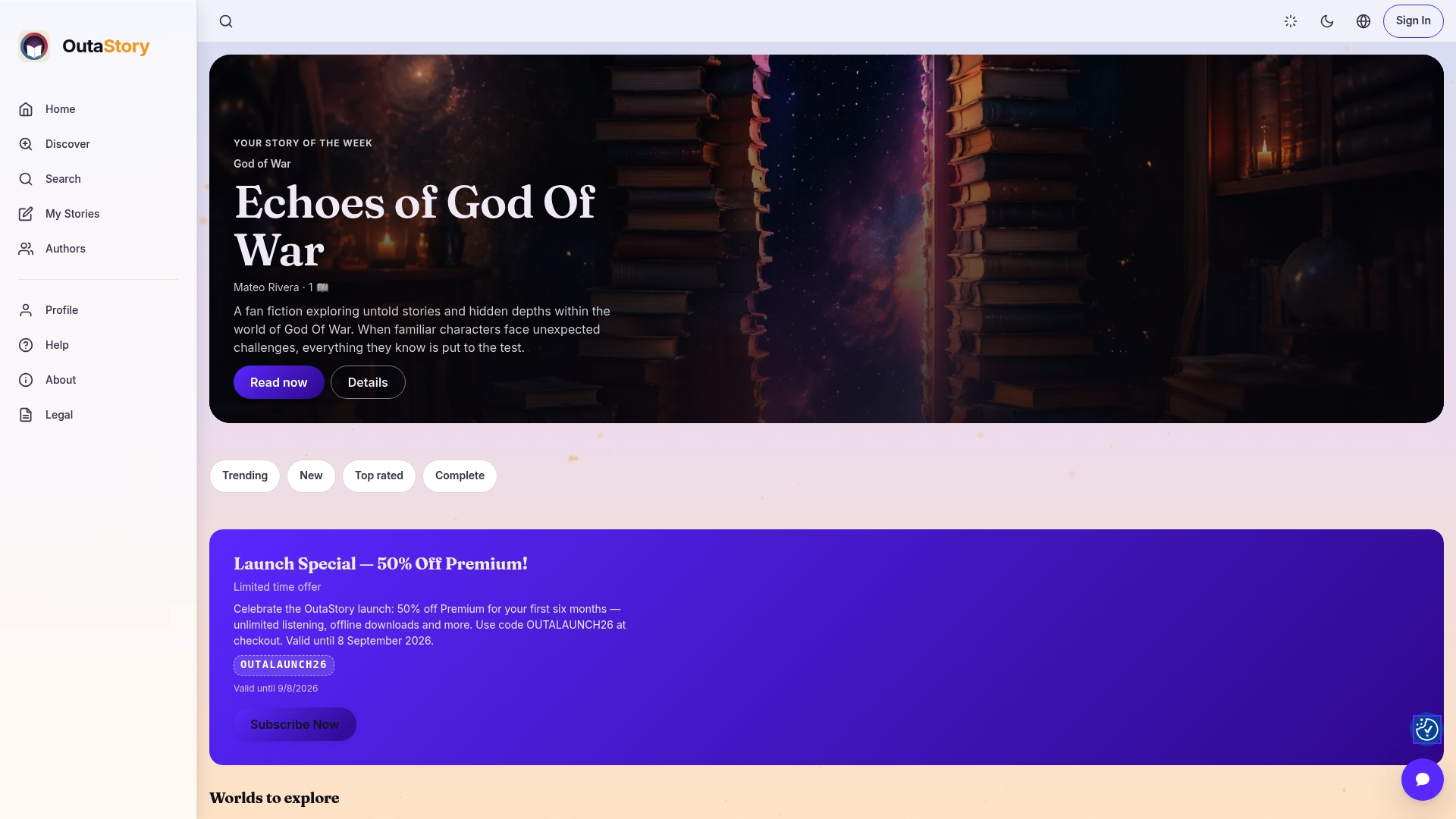
Für den gezielten Einsatz zuhause oder im Unterricht lohnt sich ein kurzer, systematischer Weg: Suchen Sie im Kinderbereich nach kurzen Geschichten, setzen Sie den Filter auf die Hörversion, wenn Ihr Kind gerade an der Worterkennung arbeitet, und legen Sie sich eine kleine Leseliste mit drei bis fünf Titeln an, die Sie über die Woche verteilt einsetzen. So entsteht ohne großen Aufwand eine feste Routine, die sich an das Lesetempo Ihres Kindes anpasst statt umgekehrt. Wer regelmäßig neue Geschichten braucht, findet im breiten Genrespektrum der Plattform auch für ältere Geschwister passenden Lesestoff, sodass sich ein einziges Konto für die ganze Familie lohnt.
Quellen
- Produktseite: Erstleser-Buchpaket mit Silbenmethode — Backwinkel
- Für Erstleser*innen: Das Leserabe Geschichten‑Spiel — Stiftung Lesen
- Bpb
- Didaktische Merkmale von Erstlesetexten — Buchtutgut
FAQ
Ab welchem Alter eignen sich Kurzgeschichten für Erstleser?
Die meisten Reihen richten sich an Kinder ab sechs Jahren beziehungsweise an die 1. Klasse, wenn erste Silbenverbindungen sicher erkannt werden.
Was macht einen Text zur Erstlesergeschichte?
Extra große Fibelschrift, kurze Sätze, Silbentrennung und ein hoher Illustrationsanteil sind die zentralen Merkmale, ergänzt durch Leserätsel am Textende.
Sind Hörbücher beim Lesenlernen wirklich hilfreich?
Ja, Audioformate unterstützen die Worterkennung, weil Kinder schwierige Stellen mithören können, ohne sofort auf erwachsene Hilfe angewiesen zu sein.
Wo finde ich kostenlose Erstlesegeschichten zum Ausdrucken?
Stiftung Lesen und bpb.de bieten kostenlose Downloads mit Lesestufenangaben und Begleitmaterial für den direkten Unterrichtseinsatz an.
Kann Outastory gedruckte Erstleserbücher ersetzen?
Outastory ersetzt gedruckte Bücher nicht vollständig, ergänzt sie aber sinnvoll durch kostenloses Lesen und Anhören im Kinderbereich, besonders bei der Audio-Unterstützung.
Empfehlung
Lesen und schreiben auf OutaStory
Kurzgeschichten kostenlos lesen – oder eigene Geschichten veröffentlichen und Leser finden.