Geschichten zum Vorlesen: Gratis & altersgerecht für Kinder
Die besten kostenlosen Geschichten zum Vorlesen findest du auf freien Sammlungen wie Onkel Guidos Gute-Nacht-Archiv, im Bildungsprojekt „einfach vorlesen!“ der Stiftung Lesen, auf YouTube-Vorlesekanälen mit deutschsprachigem Kinderinhalt und auf Outastory mit seinem eigenen Kinderbereich. Wähle danach nach drei Kriterien: Alter des Kindes, gewünschte Vorlesedauer und Anlass.
Kurz-Shortlist für den Soforteinstieg:
- Freie Sammlungen (z. B. Onkel Guido, Zitronenbande): Hunderte Texte, kostenlos, nach Thema sortiert
- Bildungsprojekte (Stiftung Lesen „einfach vorlesen!“): pädagogisch geprüft, regelmäßig neue Texte
- YouTube-Vorlesekanäle: deutschsprachige Videos, ideal als Ergänzung oder für unterwegs
- Outastory: Freemium-Plattform mit Kinderbereich, Hörfassungen und Autorenstimmen
- Autorenblogs mit PDF-Download: druckfertige Kurzgeschichten, oft mit Altersangabe
So findest du sofort die passende Geschichte: Alter des Kindes eingeben, Dauer wählen (3, 7 oder 12 Minuten) und Thema filtern. Plattformen mit Altersfilter und Dauerangabe sparen dabei die meiste Zeit.
Wichtige Erkenntnisse
Kurze tägliche Vorlese-Rituale mit altersgerechten Geschichten fördern Sprachentwicklung und Geborgenheit nachhaltiger als gelegentliche lange Sitzungen.
| Thema | Details |
|---|---|
| Altersgerechte Auswahl | 3 Minuten für Kleinkinder, 5–7 Minuten für Vorschulkinder, 12 Minuten für Grundschulkinder |
| Kostenlose Quellen | Onkel Guido, Stiftung Lesen „einfach vorlesen!“, Zitronenbande und Outastory bieten gratis Einstieg |
| Thema nach Anlass | Abends ruhige Tiergeschichten mit positivem Ende; tagsüber Abenteuer und interaktive Texte |
| Vorlese-Technik | Stimmenvariation, gezielte Pausen und offene Fragen steigern Konzentration und Sprachförderung |
| Outastory | Kostenloser Kinderbereich mit Text und Hörfassungen, Kapitelgeschichten und Autorenstimmen |
Inhaltsverzeichnis
- Welche kostenlosen Quellen sind wirklich zuverlässig?
- Wie wählt man altersgerechte Geschichten aus?
- Welche Themen passen zu welchem Anlass?
- Wie liest man wirkungsvoll vor?
- Wann sind Hörversionen und Apps sinnvoll?
- Drei Vorlese-Routinen nach Alter
- Outastory: Kostenlose Geschichten lesen und hören
- Quellen
- FAQ
Welche kostenlosen Quellen sind wirklich zuverlässig?
Nicht jede Seite mit Kindergeschichten hält, was sie verspricht. Die folgenden Quellen haben sich in Deutschland als verlässlich erwiesen, weil sie Altersangaben, Dauerhinweise und klare Kostenkennzeichnung bieten.
Onkel Guido betreibt eine der größten freien Gute-Nacht-Sammlungen im deutschsprachigen Raum. Eine große Anzahl an Gute-Nacht-Geschichten stehen dort kostenlos bereit, thematisch sortiert und mit dem Hinweis, dass regelmäßiges Vorlesen Sprachentwicklung und Geborgenheit fördert. Alle Texte sind gratis, ohne Anmeldung.
Stiftung Lesen steht für pädagogische Verlässlichkeit. Das Projekt „einfach vorlesen!“ liefert regelmäßig neue, kostenfreie Vorlesegeschichten für Familien, ergänzt durch Materialien für Eltern und eine App. Das ist kein Hobbyportal, sondern ein institutionell gefördertes Angebot.
Zitronenbande und ähnliche Autorenblogs bieten kurze Kindergeschichten mit Alters- und Längenangabe, oft als PDF zum Ausdrucken. Viele Autoren stellen ihre Texte kostenlos bereit, manchmal mit Kategorien wie Tiergeschichten, Abenteuer oder Märchen.
YouTube-Vorlesekanäle (deutschsprachig) eignen sich als Ergänzung, besonders wenn Kinder eine professionelle Stimme hören möchten. Qualität und Datenschutz variieren stark, daher lohnt sich ein kurzer Blick auf Kanalinhaber und Kommentarsektion.
Outastory kombiniert Text und Audio auf einer Plattform. Der Kinderbereich enthält Gute-Nacht-Geschichten, Tierabenteuer und erste Reime, jeweils als Lesetext oder Hörfassung mit professioneller Stimme oder Autorenstimme. Der Basiszugang ist kostenlos; ein Premium-Abo schaltet unbegrenztes Hören und Offline-Nutzung frei.
Wie wählt man altersgerechte Geschichten aus?
Alter und Aufmerksamkeitsspanne gehen Hand in Hand. Eine Geschichte, die für ein siebenjähriges Kind gerade spannend genug ist, überfordert ein Dreijähriges schon nach zwei Minuten.
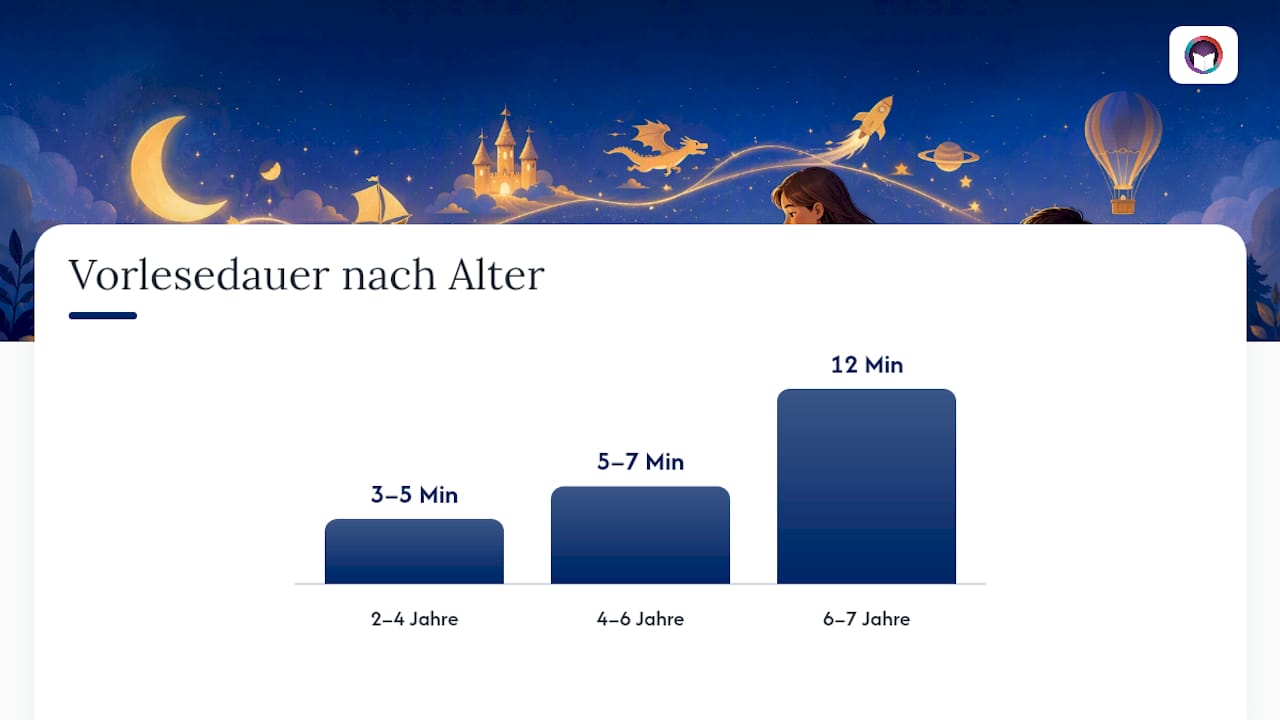
| Alter | Empfohlene Vorlesedauer | Wortwahl & Komplexität | Typisches Format |
|---|---|---|---|
| 2–4 Jahre | 3–5 Minuten | Einfache Sätze, viele Wiederholungen, Tiergeräusche | Bilderbuchtext, Reimgeschichte |
| 4–6 Jahre | 5–7 Minuten | Kurze Absätze, ein klarer Handlungsstrang | Kurzgeschichte mit einem Helden |
| 6–7 Jahre | 12 Minuten | Dialoge, Nebenfiguren, kleine Wendungen | Kapitelgeschichte, Abenteuer |
Pädagogische Empfehlungen betonen, dass altersgerechte Wortwahl und Länge entscheidend für Wirkung und Einschlafqualität sind. Das gilt besonders abends: Zu viel Handlung kurz vor dem Schlafen hält Kinder wach.
Drei Praxisregeln für die Auswahl:
- Dauer vor Inhalt prüfen: Wähle zuerst eine Geschichte, deren Länge zur aktuellen Aufmerksamkeit des Kindes passt, nicht zur Wunschlänge des Abends.
- Sprache laut testen: Lies den ersten Absatz still durch. Klingt er zu komplex? Dann ist die Geschichte einen Tick zu alt.
- Offene Enden meiden (abends): Geschichten ohne Auflösung erzeugen Spannung statt Ruhe. Für das Einschlafritual immer ein positives, abgeschlossenes Ende wählen.
Viele freie Sammlungen kennzeichnen Inhalte nach Länge oder Altersgruppe, was als wichtiges Vertrauenssignal gilt. Fehlt diese Angabe, ist das ein Hinweis auf mangelnde redaktionelle Sorgfalt.
Welche Themen passen zu welchem Anlass?
Das richtige Thema macht den Unterschied zwischen einer Geschichte, die ein Kind fesselt, und einer, die es nach drei Minuten wegschickt. Hier eine kurze Übersicht nach Anlass:
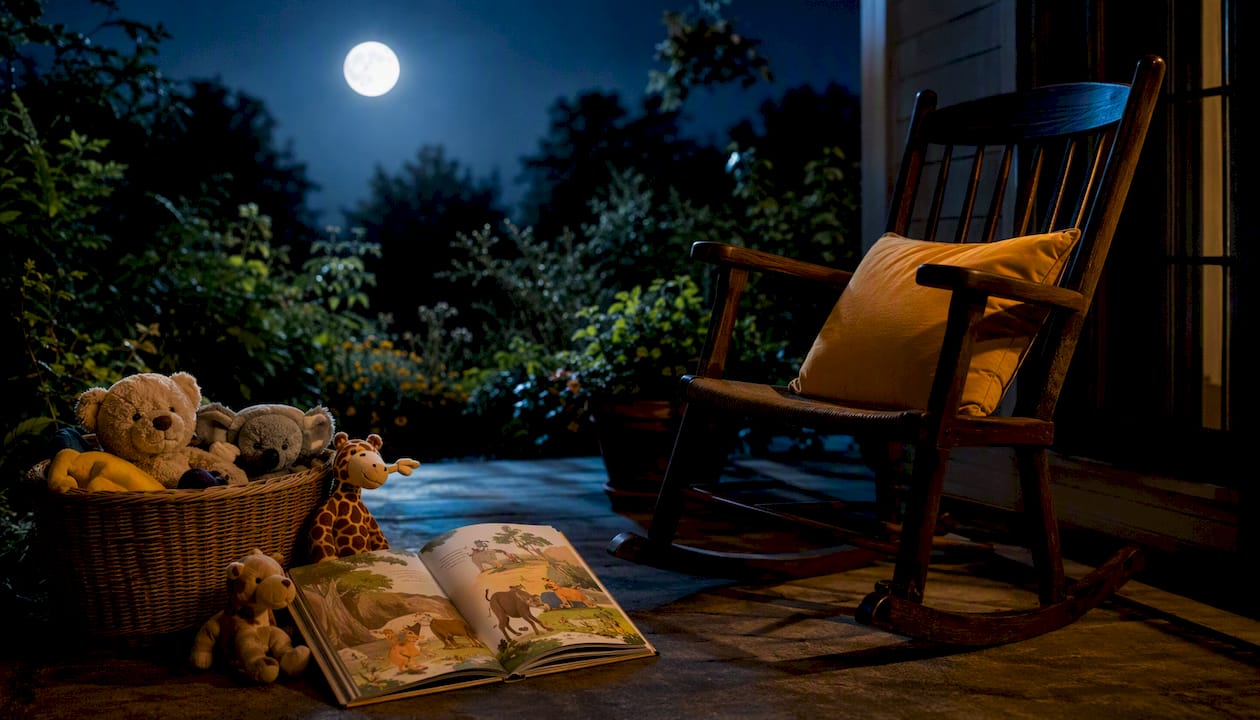
- Einschlafritual: Ruhige Tiergeschichten, Mondreisen, sanfte Abenteuer mit positivem Ende. Keine Spannung, keine offenen Fragen. Gute-Nacht-Geschichten sollten harmonisch enden und keine aufwühlenden Themen enthalten.
- Nachmittagslektüre: Abenteuer, Detektivgeschichten, Freundschaftsgeschichten. Hier darf die Handlung lebhafter sein.
- Jahreszeiten und Feste: Frühlings- und Herbstgeschichten eignen sich für den Morgenkreis; Weihnachts- und Nikolausgeschichten sind kurz und festlich zu halten (5–7 Minuten). Halloween-Texte für Kinder sollten gruselig, aber nicht beängstigend sein.
- Lernanlässe: Geschichten über Freundschaft, Fairness oder den ersten Schultag verbinden Unterhaltung mit sozialen Themen.
- Interaktive Momente: Mitmachgeschichten mit Tiergeräuschen, Bewegungsaufgaben oder Ratseleinlagen halten Kleinkinder aktiv dabei.
Profi-Tipp: Kombiniere zwei kurze Geschichten mit demselben Tier als Hauptfigur. Kinder lieben Wiedererkennungswert, und du sparst dir die Suche nach einem neuen Einstieg.
Saisonale Themen lassen sich gut mit interaktiven Elementen verbinden: Beim Vorlesen einer Herbstgeschichte können Kinder Blätter zählen oder Tiergeräusche nachahmen. Das vertieft das Verstehen und macht die Vorlesezeit zu einem gemeinsamen Erlebnis statt zu einer Einbahnstraße.
Wie liest man wirkungsvoll vor?
Vorlesen ist eine Fertigkeit, keine Selbstverständlichkeit. Wer ein paar Techniken kennt, macht aus einer guten Geschichte ein echtes Erlebnis.
- Stimme variieren: Jede Figur bekommt eine eigene Stimmlage. Der Bär spricht tief, die Maus hoch. Kinder merken sofort, wenn du das durchhältst, und hören konzentrierter zu.
- Tempo anpassen: Spannende Stellen langsamer lesen, nicht schneller. Eine Pause vor dem entscheidenden Satz erzeugt mehr Wirkung als jede Betonung.
- Gezielte Pausen einbauen: Nach einer überraschenden Wendung kurz innehalten und das Kind fragen: „Was glaubst du, was jetzt passiert?“ Das ist keine Unterbrechung, sondern Sprachförderung in Echtzeit.
- Schlüsselwörter betonen: Neue oder unbekannte Wörter leicht hervorheben und kurz erklären, ohne den Lesefluss zu unterbrechen.
- Körpersprache einsetzen: Mimik und kleine Gesten verstärken die Geschichte, besonders bei Kleinkindern, die noch nicht jedes Wort verstehen.
Vorlesen schafft mehr als Unterhaltung. Stiftung Lesen und Förderprojekte wie die der Deutschen Bahn Stiftung belegen, dass regelmäßiges Vorlesen in frühen Jahren Sprachentwicklung, Wortschatz und emotionale Sicherheit fördert. Kurze tägliche Rituale zeigen dabei nachhaltigere Effekte als gelegentliche lange Sitzungen.
Profi-Tipp: Lies die Geschichte einmal still durch, bevor du sie vorträgst. Zwei Minuten Vorbereitung machen den Unterschied zwischen stockendem Lesen und einer flüssigen, lebendigen Erzählung.
Wann sind Hörversionen und Apps sinnvoll?
Audio ist kein Ersatz für gemeinsames Vorlesen, aber eine sinnvolle Ergänzung in bestimmten Situationen.
Wann Audio gut funktioniert:
- Auf langen Autofahrten oder beim Einschlafen, wenn ein Elternteil nicht dabei sein kann
- Als Übergang: Das Kind hört eine Geschichte, die es danach gemeinsam besprechen möchte
- Für Kinder, die eine professionelle Sprecherleistung motivierender finden als die eigene Elternstimme
Wann Audio das Vorlesen nicht ersetzen sollte:
- Beim Einschlafritual, das auf Nähe und Körperkontakt aufbaut
- Bei Kindern unter drei Jahren, die Interaktion und Blickkontakt brauchen
- Wenn das Ziel Sprachförderung durch Dialog ist
Die App zu „einfach vorlesen!“ der Stiftung Lesen ist auf Apple und Android verfügbar und bietet neben Texten auch Hörfassungen. Vor der Nutzung jeder App lohnt sich ein Blick auf Datenschutzeinstellungen und Kindersicherung, besonders bei werbefinanzierten Angeboten.
Outastory bietet Hörfassungen mit professionellen Stimmen und Autorenstimmen direkt auf der Plattform. Der Unterschied zu reinen YouTube-Videos: Outastory ist keine offene Plattform mit ungefiltertem Inhalt, sondern kuratiert nach Genre und Zielgruppe.
Drei Vorlese-Routinen nach Alter
Routinen funktionieren besser als spontane Auswahl, weil sie Erwartungen setzen und Kinder schneller in den Ruhemodus bringen.
Routine für 3-Jährige: Das Einschlafritual
- Dauer: eine kurze Zeitspanne, auf die Kinder im entsprechenden Alter gut achten können
- Geschichte: ruhige Tiergeschichte mit Wiederholungen und positivem Ende
- Ablauf: Kind einwickeln, Licht dimmen, Geschichte mit ruhiger Stimme lesen, am Ende eine einfache Frage stellen („Welches Tier mochtest du am liebsten?“)
- Passende Quellen: Onkel Guidos Gute-Nacht-Sammlung, Outastory Kinderbereich
Routine für 5-Jährige: Die Nachmittagslektüre
- Dauer: eine moderate Zeitspanne, geeignet für Kinder im Vorschulalter
- Geschichte: kleines Abenteuer mit einem Helden und einer Herausforderung
- Ablauf: Geschichte vorlesen, an zwei Stellen pausieren und Kind raten lassen, am Ende gemeinsam das Lieblingserlebnis des Helden benennen
- Passende Quellen: Zitronenbande, Autorenblogs mit Kategoriefilter
Routine für 7-Jährige: Das Kapitel-Abend
- Dauer: ein längerer Zeitraum, passend für Grundschulkinder
- Geschichte: Fortsetzungsgeschichte, die täglich ein Kapitel weitergeht
- Ablauf: Kurze Zusammenfassung des letzten Kapitels durch das Kind, dann neues Kapitel lesen, Dialoge gemeinsam sprechen
- Passende Quellen: Outastory (Kapitelgeschichten), Stiftung Lesen Empfehlungslisten
Outastory: Kostenlose Geschichten lesen und hören
Wer eine Plattform sucht, die Text und Audio unter einem Dach vereint, findet in Outastory eine faire Lösung. Der Kinderbereich enthält Gute-Nacht-Geschichten, Tierabenteuer und erste Reime, alle kostenlos lesbar. Hörfassungen mit professionell produzierten Stimmen oder der Stimme des Autors selbst machen den Unterschied zu reinen Textsammlungen.
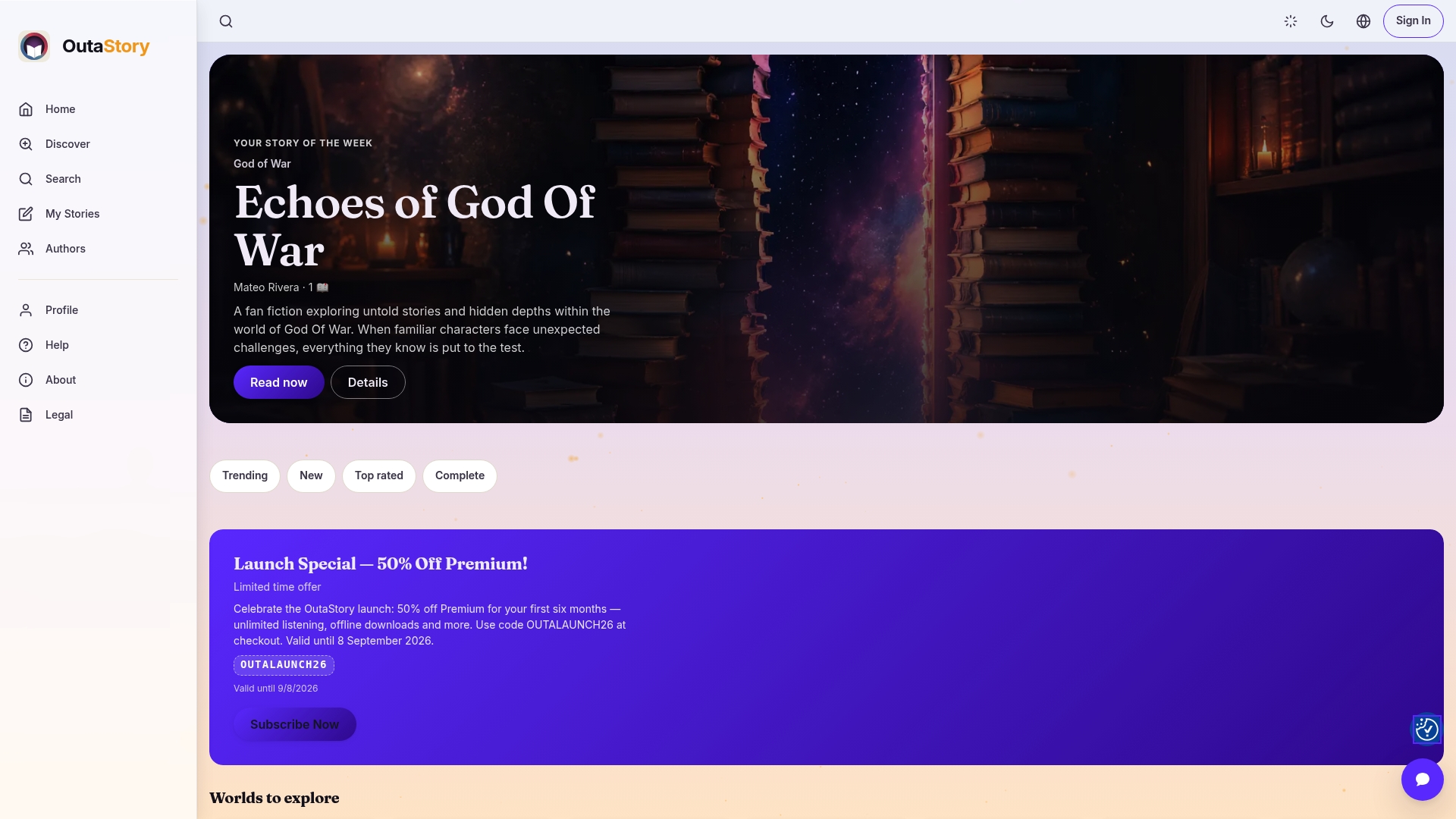
Was Outastory für Vorlese-Eltern konkret bietet:
- Kostenloser Basiszugang zu Kurzgeschichten und Hörfassungen im Kinderbereich
- Autorenstimmen und professionelle Sprecher für eine lebendige Hörerfahrung
- Kapitelgeschichten, die sich ideal für die tägliche Abendroutine eignen
- Premium-Option für unbegrenztes Hören und Offline-Nutzung, klar als kostenpflichtig gekennzeichnet
- Deutsch und Englisch verfügbar, praktisch für zweisprachige Familien
Starte jetzt kostenlos auf Outastory und such im Kinderbereich nach der ersten Geschichte für heute Abend.
Quellen
Hier findest du die verlässlichsten Anlaufstellen für kostenlose Vorlesegeschichten auf einen Blick:
- einfach vorlesen!
- Kindergeschichten zum Vorlesen: Sammlung kostenloser Geschichten
- Deutschebahnstiftung
FAQ
Wo finde ich kostenlose Geschichten zum Vorlesen für Kinder?
Kostenlose Vorlesegeschichten gibt es auf Onkel Guidos Gute-Nacht-Sammlung, bei Stiftung Lesen „einfach vorlesen!“, auf der Zitronenbande und auf Outastory, alle ohne Anmeldepflicht im Basiszugang.
Wie lang sollte eine Vorlesegeschichte für ein 4-jähriges Kind sein?
Für Kinder zwischen 4 und 6 Jahren empfehlen sich Geschichten mit einer angemessenen Vorlesedauer für das Alter, mit einem klaren Handlungsstrang und einfachen Sätzen.
Welche Geschichten eignen sich am besten für das Einschlafen?
Ruhige Tiergeschichten oder Mondreisen mit positivem, abgeschlossenem Ende sind ideal. Offene Enden oder spannungsgeladene Handlungen erschweren das Einschlafen.
Ist Outastory wirklich kostenlos für Kinder?
Der Kinderbereich auf Outastory ist im Basiszugang kostenlos, inklusive Texte und Hörfassungen. Ein Premium-Abo ist optional und schaltet unbegrenztes Hören sowie Offline-Nutzung frei.
Wann sollte ich Hörversionen statt eigenem Vorlesen nutzen?
Hörversionen eignen sich gut für Autofahrten oder wenn ein Elternteil nicht dabei sein kann. Für das Einschlafritual und die Sprachförderung durch Dialog ist das gemeinsame Vorlesen mit Interaktion weiterhin die wirkungsvollere Wahl.
Empfehlung
Lesen und schreiben auf OutaStory
Kurzgeschichten kostenlos lesen – oder eigene Geschichten veröffentlichen und Leser finden.