
Fantasy-Subgenres: Welches passt zu dir?
Die wichtigsten Fantasy-Subgenres auf einen Blick: High Fantasy (episch, sekundäre Welt), Low Fantasy (Magie in vertrauter Umgebung), Urban Fantasy (städtisch, noir), Historical Fantasy (Geschichte trifft Magie), Romantasy (Liebesgeschichte im Zentrum), Dark Fantasy und Grimdark (düster, moralisch komplex), Sword & Sorcery (actionreich, individualistisch), Fairy-Tale Fantasy (Märchenmotive neu gedacht), Science Fantasy (Technik trifft Magie), Gaslamp Fantasy (viktorianisch-magisch) und Magischer Realismus (Fantastisches im Alltag). Genres überlappen sich häufig, und viele der spannendsten Bücher lassen sich keiner einzigen Schublade zuordnen.
- High / Epic Fantasy — episch, sekundäre Welt, großer Konflikt
- Low Fantasy — Magie als Eindringling in der realen Welt
- Urban Fantasy — städtisch, geheime Parallelwelten, Noir-Atmosphäre
- Historical Fantasy — historisches Setting mit fantastischen Elementen
- Romantasy / Paranormal Romance — Liebesgeschichte als Herzstück
- Dark Fantasy / Grimdark — düster, moralisch ambivalent, oft explizit
- Sword & Sorcery — Abenteuer, persönliche Stakes, kämpferische Action
- Fairy-Tale Fantasy — klassische Märchenmotive, modern gebrochen
- Science Fantasy — Technologie und Magie als gleichwertige Kräfte
- Gaslamp Fantasy — viktorianische Ästhetik, Magie statt Dampfmaschine
- Magischer Realismus — Fantastisches als selbstverständlicher Teil des Alltags
Genre-Hybride wie Urban Romantasy oder Fantasy-Krimi sind heute eher Regel als Ausnahme.
Wichtige Erkenntnisse
Die wichtigste Orientierungshilfe beim Lesen von Fantasy ist die Unterscheidung zwischen Sekundärwelt (High Fantasy) und primärer Welt (Low Fantasy), weil sie Ton, Scope und Lesererwartung grundlegend bestimmt.
| Thema | Details |
|---|---|
| High vs. Low Fantasy | High Fantasy spielt in einer fiktiven Sekundärwelt, Low Fantasy in einer vertrauten, primären Welt. |
| Romantasy und Urban Fantasy wachsen | Beide Subgenres gewinnen auf digitalen Plattformen stark an Bedeutung, besonders in Serienformaten. |
| Genres überlappen sich | Hybridformen wie Urban Romantasy oder Fantasy-Krimi sind heute häufiger als reine Subgenres. |
| Subgenre-Tags als Werkzeug | Tags sind Auffindbarkeitswerkzeuge, keine literarischen Urteile, und helfen beim gezielten Filtern nach Stimmung. |
| Outastory als Einstieg | Auf Outastory lassen sich Kurzgeschichten aus allen Fantasy-Subgenres kostenlos lesen und hören. |
Inhaltsverzeichnis
- Was ist ein Subgenre, und wie hilft dir diese Übersicht?
- 1. High Fantasy und Epic Fantasy: Epische Welten, große Konflikte
- 2. Low Fantasy, Contemporary Fantasy und Urban Fantasy: Wenn Magie in unsere Welt eindringt
- 3. Historical Fantasy: Wo Geschichte auf Magie trifft
- 4. Romantasy und Paranormal Romance: Wenn die Liebesgeschichte das Herzstück ist
- 5. Dark Fantasy und Grimdark: Düstere Welten, keine einfachen Antworten
- 6. Sword & Sorcery und Heroic Fantasy: Abenteuer, die nicht die Welt retten müssen
- 7. Weitere Subgenres im Überblick: Von Fairy-Tale bis LitRPG
- 8. Wie Subgenres sich überlappen und welche Trends gerade wachsen
- 9. Wie du das passende Subgenre für deine Stimmung findest
- Warum Subgenre-Orientierung mehr ist als Kategorisierung
- Kurzgeschichten aller Fantasy-Subgenres auf Outastory lesen und hören
- Quellen
Was ist ein Subgenre, und wie hilft dir diese Übersicht?
Fantasy als Oberbegriff bezeichnet Literatur, die übernatürliche oder magische Elemente nutzt, um die bekannte Realität zu erweitern oder zu ersetzen. Ein Subgenre ist eine kategoriale Unterteilung innerhalb dieses Rahmens, die nach Setting, Stimmung, Themen und erzählerischen Konventionen unterscheidet. Kein Subgenre-Label ist eine starre literaturwissenschaftliche Regel. Es ist vor allem ein Orientierungswerkzeug.
Die wichtigste Grundachse ist High vs. Low Fantasy: High Fantasy spielt in einer vollständig fiktiven Sekundärwelt, Low Fantasy in der primären Welt oder einer ihr sehr ähnlichen Umgebung, in der das Fantastische als ‘Eindringling’ auftritt. Alles andere, von der Stimmung bis zum Protagonistentyp, baut auf dieser Unterscheidung auf.
Profi-Tipp: Wenn du ein neues Subgenre ausprobieren möchtest, schau nicht nur auf das Label, sondern auf zwei Dinge: Wo spielt die Geschichte, und worum geht es dem Protagonisten wirklich? Setting und persönliche Stakes verraten mehr über den Ton als jeder Genrename.
Auf Plattformen wie Outastory haben Subgenre-Tags eine doppelte Funktion: Sie helfen Lesern, passende Geschichten nach Stimmung und Länge zu filtern, und sie ermöglichen Autoren, ihre Werke für die richtige Zielgruppe sichtbar zu machen. Dabei gilt: Tags sind Auffindbarkeitswerkzeuge, keine literarischen Urteile.
1. High Fantasy und Epic Fantasy: Epische Welten, große Konflikte
High Fantasy ist in einer sekundären, vollständig fiktiven Welt angesiedelt. Das Worldbuilding ist oft umfangreich, mit eigenen Sprachen, Geographien, Magiensystemen und Völkern. Die Konflikte haben weitreichende Konsequenzen, häufig geht es um das Schicksal ganzer Zivilisationen.
Typische Merkmale:
- Sekundärwelt mit eigenen Regeln und Geschichte
- Epische Handlungsbögen, oft mehrbändig
- Mythische Motive: Prophezeiungen, auserwählte Helden, uralte Mächte
- Gut-gegen-Böse-Architektur (zunehmend aufgebrochen in modernen Werken)
- Umfangreiches Ensemble an Figuren
Zielleser: Wer sich gerne in fremde Welten verliert, Serien liebt und bereit ist, in komplexe Weltenentwürfe zu investieren. Tolkiens Der Herr der Ringe (deutsch verfügbar) ist das kanonische Referenzwerk. Brandon Sandersons Elantris oder Der Weg der Könige (beide auf Deutsch erschienen) zeigen, wie das Subgenre heute aussieht: mit durchdachten Magiensystemen und moralisch vielschichtigen Figuren.
Im Vergleich zu Sword & Sorcery ist der Scope deutlich größer. Wo Sword & Sorcery einen einzelnen Helden und seinen nächsten Auftrag in den Mittelpunkt stellt, dreht sich High Fantasy um Weltgeschichte.
2. Low Fantasy, Contemporary Fantasy und Urban Fantasy: Wenn Magie in unsere Welt eindringt
Diese drei Subgenres teilen eine Grundprämisse: Das Fantastische trifft auf eine Welt, die wir kennen oder zumindest wiedererkennen. Aber sie unterscheiden sich in Ton, Setting und Fokus.
Low Fantasy spielt in der primären Welt oder einer ihr sehr ähnlichen Umgebung. Fantastische Elemente treten als „Eindringlinge“ auf. Das Wort „low“ bezieht sich auf die Vertrautheit des Settings, nicht auf die Qualität der Geschichte. Contemporary Fantasy ist der breitere Begriff für Fantasy in einem modernen Zeitrahmen, oft ohne explizit städtisches Setting. Urban Fantasy verengt das auf die Großstadt: Magie in Berlin, London oder New York, häufig mit Ermittler- oder Noir-Strukturen und geheimen Parallelgesellschaften.
Urban Fantasy hat sich seit den 1980er Jahren als eigenständiges Subgenre entwickelt und zeigt starke Überschneidungen mit Mystery, Romance und Horror. Typische Tropen sind verborgene Kreaturen (Vampire, Werwölfe, Feen), die unter Menschen leben, und Protagonisten, die zwischen beiden Welten vermitteln.
| Merkmal | Low Fantasy | Contemporary Fantasy | Urban Fantasy |
|---|---|---|---|
| Setting | Primärwelt, beliebige Zeit | Moderne Gegenwart | Großstadt, Gegenwart |
| Protagonist | Variiert | Variiert | Oft Ermittler, Außenseiter |
| Ton | Variiert | Variiert | Noir, geheimnisvoll |
| Typischer Konflikt | Magie bricht in Alltag ein | Magische Welt parallel zur unseren | Geheimgesellschaften, Kreaturen |
Für den Vergleich High vs. Low Fantasy gilt: Der entscheidende Unterschied liegt nicht in der Menge an Magie, sondern darin, ob die Welt selbst fremd oder vertraut ist.
Lesetipps: Neil Gaimans American Gods (deutsch: American Gods) ist ein Paradebeispiel für Urban Fantasy mit mythologischer Tiefe. Cornelia Funkes Tintenherz bewegt sich im Grenzbereich zwischen Low und Contemporary Fantasy.
3. Historical Fantasy: Wo Geschichte auf Magie trifft
Historical Fantasy nutzt eine reale historische Epoche als Ausgangspunkt und webt fantastische Elemente in sie ein. Das kann bedeuten, dass echte historische Personen magische Fähigkeiten besitzen, dass übernatürliche Wesen die Geschichte mitgestaltet haben, oder dass ein bekanntes Ereignis einen völlig anderen Verlauf nimmt.
Typische Merkmale:
- Erkennbare historische Periode (Mittelalter, Antike, Viktorianismus, Zweiter Weltkrieg)
- Historische Recherche als Grundlage, periodentypische Sprache und Atmosphäre
- Oft enge Verknüpfung mit Mythologie der jeweiligen Kultur
Lesetipps: Susanna Clarkes Jonathan Strange & Mr. Norrell (deutsch verfügbar) spielt im England der Napoleonischen Kriege und gilt als Musterbeispiel des Subgenres. Ken Follets Die Säulen der Erde ist kein Fantasy-Roman, zeigt aber, wie historische Atmosphäre funktioniert. Für echte Historical Fantasy mit deutschem Bezug lohnt sich ein Blick auf Kai Meyers Werke wie Die Alchimistin.
Gaslamp Fantasy und Steampunk grenzen sich von Historical Fantasy dadurch ab, dass sie eine spezifische Ästhetik (viktorianisch-edwardianisch) und oft eine technologische Komponente in den Vordergrund stellen, während Historical Fantasy primär an historischer Authentizität interessiert ist.
4. Romantasy und Paranormal Romance: Wenn die Liebesgeschichte das Herzstück ist
Romantasy ist ein schnell wachsendes Subgenre auf digitalen Plattformen. Die Liebesgeschichte ist hier nicht Nebenstrang, sondern treibende Kraft. Fantasy-Elemente verstärken die romantischen Konflikte: Ein Vampir, der nicht altern kann, macht Liebe zu einer existenziellen Frage. Eine Magierin, die ihre Kräfte verliert, wenn sie sich bindet, schafft Stakes, die ein realistischer Roman nicht erreichen kann.
Typische Merkmale:
- Romantische Beziehung als zentraler Handlungsbogen
- Emotionale Stakes oft wichtiger als weltbewegende Konflikte
- Häufig serielle Struktur mit Cliffhangern zwischen Bänden
- Zielgruppe: überwiegend erwachsene Leser, starke Community auf Social-Media-Plattformen
- Überschneidungen mit Urban Fantasy (Vampire, Werwölfe) und Low Fantasy
Paranormal Romance ist der engere Begriff: Hier steht die Liebesgeschichte noch stärker im Vordergrund, das Fantasy-Element ist oft auf eine bestimmte Kreaturenart beschränkt. Romantasy ist breiter und kann auch in Sekundärwelten spielen.
Lesetipps: Sarah J. Maas’ Ein Hof aus Dornen und Rosen (deutsch verfügbar) hat das Subgenre maßgeblich popularisiert. Für kürzere Formate bieten sich Kurzgeschichten auf Plattformen wie Outastory an, wo Romantasy-Geschichten mit präzisen Tags nach Ton und Intensität filterbar sind.
5. Dark Fantasy und Grimdark: Düstere Welten, keine einfachen Antworten
Dark Fantasy und Grimdark sind verwandt, aber nicht identisch. Dark Fantasy integriert Horror-Elemente und eine düstere Atmosphäre in ein Fantasy-Setting. Grimdark geht weiter: Es verweigert moralische Eindeutigkeit, zeigt Gewalt als reale Konsequenz und stellt Protagonisten vor, die selbst fragwürdige Entscheidungen treffen.
Typische Merkmale:
- Antihelden oder moralisch ambivalente Protagonisten
- Explizite Gewalt, psychologische Belastung, verstörende Motive
- Politisch-dystopische Töne, oft Kritik an Machtstrukturen
- Kein garantiertes Happy End
Leserhinweis: Beide Subgenres sind für Leser gedacht, die mit düsteren Themen, expliziter Gewalt und moralischer Komplexität umgehen können. Wer empfindlich auf Traumadarstellungen oder grafische Szenen reagiert, sollte Inhaltshinweise (Content Warnings) vor dem Lesen prüfen.
6. Sword & Sorcery und Heroic Fantasy: Abenteuer, die nicht die Welt retten müssen
Sword & Sorcery ist das älteste Subgenre der modernen Fantasy. Robert E. Howards Conan-Geschichten aus den 1930er Jahren haben das Subgenre maßgeblich geprägt. Der entscheidende Unterschied zu High Fantasy: Der Scope ist klein. Es geht nicht um das Schicksal der Welt, sondern um den nächsten Auftrag, den nächsten Kampf, das nächste Abenteuer.
Typische Merkmale:
- Kurze bis mittellange Erzählbögen, oft Einzelgeschichten oder lose Reihen
- Kämpferische Action im Vordergrund, Magie oft schlicht und gefährlich
- Persönliche Stakes: Überleben, Ruhm, Geld, Rache
- Fokus auf Heldentaten eines einzelnen Protagonisten
Zielleser: Wer schnelle, handlungsstarke Geschichten bevorzugt und keine Lust auf mehrseitige Worldbuilding-Exkurse hat. Das Format eignet sich besonders gut für Kurzgeschichten.
Lesetipps: Fritz Leibers Fafhrd-und-Grauer-Mausling-Geschichten sind klassische Sword & Sorcery. Michael Moorcocks Elric-Zyklus (deutsch verfügbar) verbindet das Subgenre mit philosophischer Tiefe.
7. Weitere Subgenres im Überblick: Von Fairy-Tale bis LitRPG
Das Fantasy-Genre umfasst weit mehr als die bisher genannten Formen. Hier ein kompakter Überblick weiterer Subgenres, die du kennen solltest:
- Fairy-Tale Fantasy: Klassische Märchenmotive (Aschenputtel, Dornröschen, Blaubart) werden neu interpretiert, oft mit dunkleren oder feministischen Perspektiven. Beispiel: Marissa Meyers Cinder (deutsch verfügbar).
- Science Fantasy: Technologie und Magie existieren gleichberechtigt nebeneinander. Raumschiffe und Zauberer sind keine Widersprüche. Beispiel: Star Wars (Film) oder Anne McCaffreys Drachen von Pern.
- Gaslamp Fantasy: Viktorianische oder edwardianische Ästhetik, Magie statt oder neben früher Technologie. Beispiel: Gail Carringers Soulless (Parasol Protectorate, englisch; auf Deutsch als Die Frau ohne Seele erschienen).
- Magischer Realismus: Fantastische Elemente sind selbstverständlicher Teil des Alltags, ohne dass die Figuren sie als außergewöhnlich empfinden. Beispiel: Gabriel García Márquez’ Hundert Jahre Einsamkeit (deutsch verfügbar).
- Isekai: Ein Protagonist wird aus der realen Welt in eine Fantasy-Welt versetzt. Besonders populär in der Manga- und Light-Novel-Szene. Beispiel: Re:Zero oder Sword Art Online.
- LitRPG: Die Welt funktioniert nach Regeln eines Rollenspiels, Charaktere sehen ihre Statuswerte und leveln auf. Stark in Online-Communities verbreitet. Beispiel: Drachenkaisers Dungeon Crawler Carl (englisch).
- Mythic Fantasy / Mythopoeia: Tolkien-artige Weltenentwürfe, die eigene Mythologien und Kosmologien erschaffen. Das Subgenre ist weniger eine Marketingkategorie als eine literarische Ambition.
- Eldritch Horror / Cosmic Horror: Übernatürliche Bedrohungen, die menschliches Verständnis übersteigen. H.P. Lovecrafts Werk ist das Fundament. Das Subgenre überlappt stark mit Horror, wird aber oft unter Fantasy-Dach vermarktet.
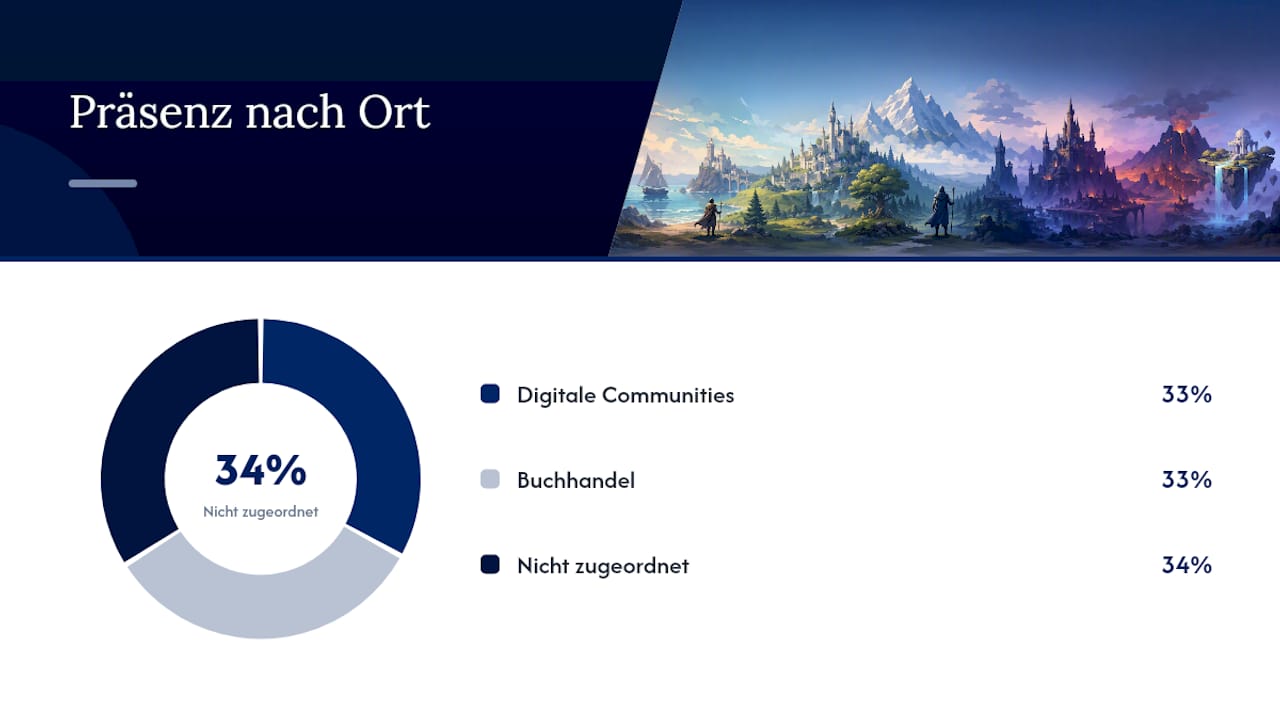
Isekai und LitRPG sind vor allem in digitalen Leser-Communities groß, während Gaslamp Fantasy und Magischer Realismus eher im literarischen Buchhandel präsent sind.
8. Wie Subgenres sich überlappen und welche Trends gerade wachsen
Subgenre-Grenzen sind fließend. Das war schon immer so, aber digitale Plattformen haben die Hybridisierung beschleunigt. Ein Roman kann gleichzeitig Urban Fantasy, Romantasy und Mystery sein. Auf Plattformen entstehen dadurch Microgenres wie „Cozy Mystery Fantasy“ oder „Dark Romantasy“, die präzise Zielgruppen ansprechen.
Zwei Trends sind besonders auffällig: Romantasy und Urban Fantasy gewinnen auf digitalen Plattformen stark an Bedeutung, während High/Epic Fantasy weiterhin die größten Serien und Verlagsbudgets dominiert. Der Grund liegt im Format: Romantasy und Urban Fantasy funktionieren gut in kürzeren Einheiten und Serienkapiteln, die für digitales Lesen und Hören ideal sind.
Profi-Tipp: Der schnellste Weg, ein neues Subgenre zu entdecken, ist nicht die Beschreibung, sondern die erste Seite. Kurzgeschichten-Plattformen wie Outastory ermöglichen es, mehrere Subgenres in einer Sitzung anzuhören, ohne sich auf einen langen Roman festzulegen.
- Urban + Romantasy: Vampire oder Feen als Liebesinteressen in städtischen Settings
- Fantasy + Krimi: Ermittler mit magischen Fähigkeiten, Noir-Atmosphäre in Sekundärwelten
- Historical + Dark Fantasy: Historische Grausamkeiten treffen auf übernatürliche Bedrohungen
- Isekai + LitRPG: Spielmechaniken in einer fremden Welt
9. Wie du das passende Subgenre für deine Stimmung findest
Die Wahl des richtigen Subgenres hängt von drei Faktoren ab: Stimmung, Zeitbudget und persönliche Toleranzgrenzen. Hier eine strukturierte Entscheidungshilfe:
- Frag dich: Wie viel Weltbau will ich? Viel Weltbau und Komplexität? High Fantasy. Wenig, dafür schnelle Handlung? Sword & Sorcery oder Urban Fantasy.
- Wie viel Zeit habe ich? Für eine Pendelstrecke eignen sich Kurzgeschichten aus dem Sword & Sorcery- oder Urban-Fantasy-Bereich. Für einen langen Abend: ein erster Band einer Romantasy-Reihe.
- Was soll die Geschichte auslösen? Emotionale Tiefe und Spannung? Romantasy. Gänsehaut und Unbehagen? Dark Fantasy oder Eldritch Horror. Abenteuerfreude ohne Nachdenken? Sword & Sorcery.
- Wie tolerant bin ich gegenüber düsteren Themen? Grimdark und Dark Fantasy sind nichts für Leser, die entspannte Unterhaltung suchen. Fairy-Tale Fantasy und Romantasy bieten oft ein positiveres Leseerlebnis.
- Lese ich lieber Serien oder Einzelwerke? Romantasy und High Fantasy sind serienaffin. Sword & Sorcery und Kurzgeschichten-Fantasy funktionieren auch als Einzelstücke.
Nutze Tags und Rezensionen als Filter. Auf Plattformen, die nach Stimmung und Länge taggen, lässt sich ein Subgenre in wenigen Minuten ausprobieren, ohne Verpflichtung.
Warum Subgenre-Orientierung mehr ist als Kategorisierung
Subgenre-Labels sind keine bürokratischen Schubladen. Sie sind Versprechen an den Leser. Wer „Romantasy“ auf dem Cover liest, erwartet emotionale Stakes und eine Liebesgeschichte, die nicht im zweiten Kapitel endet. Wer „Grimdark“ sieht, weiß, dass moralische Eindeutigkeit nicht auf dem Programm steht.
Was mich an der aktuellen Entwicklung fasziniert: Die Hybridisierung ist kein Zeichen von Beliebigkeit, sondern von Reife. Autoren nutzen Subgenre-Kombinationen bewusst, um Nischenleser zu erreichen, die genau diese Mischung suchen. Ein „Dark Urban Romantasy“ ist keine Verlegenheitslösung, sondern eine präzise Aussage über Ton, Setting und emotionale Erwartung.
Für Plattformen wie Outastory bedeutet das: Tags müssen mehrere Achsen abbilden, Setting, Ton, Zielgruppe und Erzähldauer, damit Leser wirklich nach Stimmung filtern können. Eine Geschichte, die nur als „Fantasy“ getaggt ist, ist für den Leser so nützlich wie ein Restaurant, das nur „Essen“ auf der Karte hat.
Das Subgenre-System ist unvollkommen und wird es bleiben. Aber es ist das beste Werkzeug, das wir haben, um Leser und Geschichten zusammenzubringen.
Kurzgeschichten aller Fantasy-Subgenres auf Outastory lesen und hören
Wer Fantasy-Subgenres nicht nur verstehen, sondern erleben will, findet zahlreiche kürzere Einstiege, die das Erleben erleichtern.
Outastory bietet Kurzgeschichten und Hörbücher aus dem gesamten Fantasy-Spektrum: von High Fantasy und Romantasy über Dark Fantasy bis hin zu Urban Fantasy und Science Fantasy. Jede Geschichte lässt sich kostenlos lesen oder als Hörbuch anhören, mit professionell produzierten Stimmen oder der Stimme des Autors selbst. Tag-Filter ermöglichen es, gezielt nach Subgenre, Ton und Länge zu suchen, sodass du ein neues Subgenre in einer einzigen Sitzung ausprobieren kannst. Für Leser, die mehr wollen, bietet das Premium-Abonnement unbegrenztes Hören und Offline-Zugriff.
Starte jetzt kostenlos auf Outastory und finde dein nächstes Lieblingssubgenre.
Quellen
- Low fantasy
- High fantasy
- High Fantasy vs Low Fantasy: What’s the Difference? | LitReactor
- Urban Fantasy: Magie in der Stadt - Nornennetz
Empfehlung
Artikel erstellt mit BabyLoveGrowth
Lesen und schreiben auf OutaStory
Kurzgeschichten kostenlos lesen – oder eigene Geschichten veröffentlichen und Leser finden.