
Cliffhanger schreiben: 8 Techniken für Autoren
Ein Cliffhanger unterbricht die Handlung genau an ihrer spannendsten Stelle und zwingt den Leser, weiterzulesen. So schreibst du sofort einen wirkungsvollen:
- Stakes benennen: Mach dem Leser klar, was auf dem Spiel steht, bevor du abbrichst. Ohne emotionale Investition verpufft jede Unterbrechung.
- Offene Frage platzieren: Beende das Kapitel mit einer Frage, die der Leser nicht ignorieren kann. Nicht „Was passiert als nächstes?“ als Erzählerkommentar, sondern als implizite Spannung im letzten Satz.
- Kurz und scharf enden: Der letzte Satz sollte kurz, prägnant und unkommentiert sein. Kein Erklären, kein Abschwächen.
Profi-Tipp: Schreib den letzten Satz zuerst. Wenn er allein stehend Neugier erzeugt, funktioniert der Cliffhanger. Wenn er Kontext braucht, um zu wirken, ist er noch nicht fertig.
Wichtige Erkenntnisse
Einen wirkungsvollen Cliffhanger zu schreiben bedeutet, ein konkretes Versprechen zu geben, die Spannung auf den Punkt zu bringen und die Auflösung im nächsten Kapitel einzulösen.
| Thema | Details |
|---|---|
| Definition und Herkunft | Cliffhanger unterbricht die Handlung am Höhepunkt; Begriff geht auf Thomas Hardy (1873) zurück. |
| Techniken variieren | Wechsel zwischen harten und weichen Cliffhangern verhindert Abstumpfung und hält die Bindung. |
| Versprechen einlösen | Nicht eingelöste Cliffhanger zerstören das Leservertrauen dauerhaft. |
| Wirkung messen | Klickrate, Verweildauer und Rückkehrquote zeigen, welche Technik beim Publikum ankommt. |
| Outastory nutzen | Kapitelweise Veröffentlichung auf Outastory ermöglicht echte Leser-Metriken und Umsatzbeteiligung. |
Inhaltsverzeichnis
- Was genau ist ein Cliffhanger?
- Warum lohnt es sich, Cliffhanger einzusetzen?
- Wo setzt du Cliffhanger sinnvoll ein?
- Wie schreibst du einen Cliffhanger? 8 konkrete Techniken
- Wann schaden Cliffhanger mehr als sie nützen?
- Cliffhanger in der Praxis: Kommentierte Beispiele
- Prüfe deinen Cliffhanger vor der Veröffentlichung
- Wie misst du die Wirkung deiner Cliffhanger?
- Deine Cliffhanger-Serien auf Outastory veröffentlichen
- Quellen
- FAQ
Was genau ist ein Cliffhanger?
Laut Duden ist „Cliffhanger“ ein maskulines Substantiv und bezeichnet ein dramatisches Ereignis am Ende einer Folge, das durch seinen offenen Ausgang die Neugier auf die Fortsetzung weckt. Das Wort setzt sich aus den englischen Bestandteilen cliff (Klippe) und hanger (Hängender) zusammen.
Die Herkunft führt direkt ins 19. Jahrhundert. Thomas Hardys Roman A Pair of Blue Eyes (1873) gilt als frühes Paradebeispiel: Hardy ließ seinen Protagonisten buchstäblich an einer Klippe hängen und unterbrach dort die Fortsetzungslieferung. Leser mussten eine ganze Woche warten. Dieses Prinzip, Spannung durch Unterbrechung zu erzeugen, hat sich seither in Romanen, Serien und Drehbüchern als festes Erzählmittel etabliert.
Auch Wiktionary und das DWDS bestätigen die Verwendung als Jargon in Medienberufen, von Drehbuchautoren bis zu Romanschreibenden.
| Begriff | Erklärung |
|---|---|
| Cliffhanger | Dramatische Unterbrechung am Spannungshöhepunkt |
| Hard Cliffhanger | Unmittelbare physische Gefahr oder Handlungsabbruch |
| Soft Cliffhanger | Emotionale Enthüllung, Beziehungsveränderung, offene Frage |
| Act-Out | TV-Begriff für den Cliffhanger vor der Werbepause |
Warum lohnt es sich, Cliffhanger einzusetzen?
Leserbindung ist das primäre Ziel. Wer ein Kapitel mit einer offenen Frage beendet, erhöht die Wahrscheinlichkeit, dass der Leser sofort weiterliest oder zurückkommt. Bei serialisierten Veröffentlichungen ist das kein Nice-to-have, sondern ein strukturelles Werkzeug.
Dahinter steckt der sogenannte Zeigarnik-Effekt: Unvollendete Aufgaben und offene Situationen bleiben im Gedächtnis präsenter als abgeschlossene. Ein Kapitelende, das keine Auflösung liefert, hinterlässt eine kognitive Lücke. Der Leser will sie schließen.
Konkrete Effekte für Schreibende:
- Höhere Verweildauer pro Sitzung, weil Leser nicht aufhören können
- Stärkere Serienbindung bei episodischen Formaten
- Bessere Rückkehrquoten bei kapitelweiser Veröffentlichung
- Mehr Kommentare und Reaktionen, weil Leser ihre Spannung teilen wollen
Für Drehbuchautoren gilt dasselbe Prinzip als Act-Out vor der Werbepause. Wer den Zuschauer in der Pause hält, gewinnt Einschaltquoten.
Wo setzt du Cliffhanger sinnvoll ein?
Format und Dosierung entscheiden darüber, ob ein Cliffhanger bindet oder nervt. Streaming und Binge-Konsum erfordern andere Strategien als wöchentliche Ausstrahlung: Wer alle Folgen auf einmal schaut, braucht emotionale Resonanz statt reiner Handlungspause.
Profi-Tipp: Bei serialisierten Romanen empfiehlt sich ein harter Cliffhanger alle 3–5 Kapitel. Dazwischen arbeiten weiche Cliffhanger, die eine emotionale Frage offenlassen, ohne die Handlung vollständig zu stoppen.
| Format | Cliffhanger-Typ | Frequenz |
|---|---|---|
| Romankapitel (Serie) | Hart oder weich | Alle 3–5 Kapitel hart, dazwischen weich |
| TV-Episode | Hart (Act-Out) | Jede Episode, vor Werbepause und Serienende |
| Kurzgeschichte | Weich | Einmal, am Ende |
| Ratgeber / Sachtext | Weich (Neugier-Frage) | Absatzweise, sparsam |
| Verkaufstext | Weich (Versprechen) | Einmal pro Abschnitt |
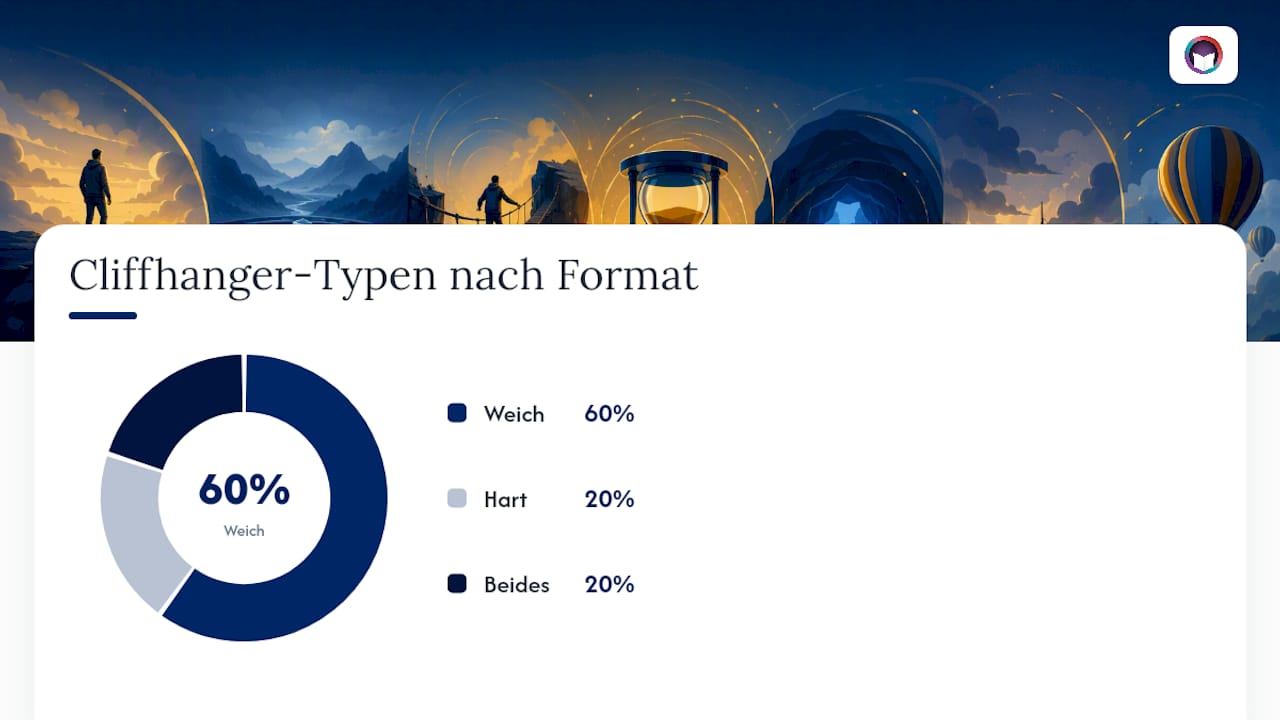
Für Ratgeber und Verkaufstexte funktionieren kleine Cliffhanger als Neugier-Anker: Ein Abschnitt endet mit einer Frage, die der nächste beantwortet. Das hält Leser auf der Seite, ohne dramaturgische Mittel zu überstrapazieren.
Wie schreibst du einen Cliffhanger? 8 konkrete Techniken
Die drei Kerntechniken, offene Frage, Enthüllung und Zeitbombe, lassen sich mit weiteren Varianten kombinieren. Hier sind acht Wege, die in der Praxis funktionieren:
- Offene Frage: Der letzte Satz stellt eine Frage, die der Leser nicht beantworten kann. „Wer hatte die Tür geöffnet?“ Positionierung: letzter Satz des Kapitels.
- Enthüllung (Twist): Eine Information verändert alles, was der Leser bisher wusste. „Das war nicht Mias Handschrift.“ Positionierung: letzter oder vorletzter Satz.
- Zeitbombe (Deadline): Eine Uhr läuft. Der Leser weiß, dass Zeit knapp wird, aber nicht, ob die Figur es schafft. „Noch vier Minuten.“ Positionierung: Mitte oder Ende einer Szene.
- Perspektivwechsel: Das Kapitel endet aus Sicht einer Figur, die etwas weiß, was die Hauptfigur nicht weiß. Erzeugt Ironie und Dringlichkeit.
- Falsche Auflösung: Der Leser glaubt, die Spannung ist aufgelöst. Dann kommt der letzte Satz. „Sie atmete auf. Dann klingelte das Telefon.“
- Emotionaler Wendepunkt: Kein physisches Risiko, aber eine Beziehung verändert sich unwiderruflich. Emotionale Cliffhanger wirken oft nachhaltiger als reine Lebensgefahr, weil sie den Status quo der Figuren verschieben.
- Machtwechsel: Wer die Kontrolle hatte, verliert sie. Wer schwach war, gewinnt plötzlich Macht. Das verändert die Dynamik für das nächste Kapitel grundlegend.
- Andeutung (Weckruf): Ein Detail, ein Geräusch, ein Blick. Der Leser ahnt Gefahr, bevor die Figur es tut. „Hinter ihr knackte ein Ast.“
Zur Satzgestaltung: Kurze Sätze am Ende erhöhen das Tempo. Vermeide Nebensätze im letzten Satz des Kapitels. Ein Wort kann reichen.
- Verben statt Adjektive: Handlung erzeugt Spannung, Beschreibung bremst sie.
- Keine Erklärungen nach dem Cliffhanger: Der Leser soll mit der Frage allein bleiben.
- Aktive Konstruktionen bevorzugen: „Sie fiel“ statt „Sie war gefallen.“
Wann schaden Cliffhanger mehr als sie nützen?
Zu viele Cliffhanger hintereinander erzeugen kein Spannungsgefühl mehr, sondern Erschöpfung. Der Leser gewöhnt sich an die Unterbrechung und hört auf, ihr zu vertrauen.
Typische Fehler:
- Cliffhanger ohne echte Stakes: Wenn dem Leser egal ist, was passiert, verpufft die Wirkung.
- Nicht eingelöste Versprechen: Wer einen Cliffhanger aufbaut und ihn im nächsten Kapitel ignoriert oder bagatellisiert, verliert das Vertrauen des Lesers dauerhaft.
- Erzwungene Überraschungen: Ein Twist, der nicht aus der Geschichte herauswächst, wirkt manipulativ.
- Zu hohe Frequenz: Jedes Kapitel mit einem harten Cliffhanger zu beenden, stumpft ab.
Der Leser fühlt sich manipuliert, wenn das Versprechen nicht eingelöst wird. Das ist kein Stilproblem, sondern ein Vertrauensbruch. Cliffhanger können binden, aber bei falscher Anwendung frustrieren.
Profi-Tipp: Variiere hart und weich. Nach einem harten Cliffhanger darf das nächste Kapitel ruhiger enden. Das gibt dem Leser Luft und macht den nächsten harten Cliffhanger wieder wirkungsvoll.
Cliffhanger in der Praxis: Kommentierte Beispiele
Vier kurze Beispiele aus verschiedenen Genres zeigen, wie die Techniken wirken und wo Schwächen entstehen.
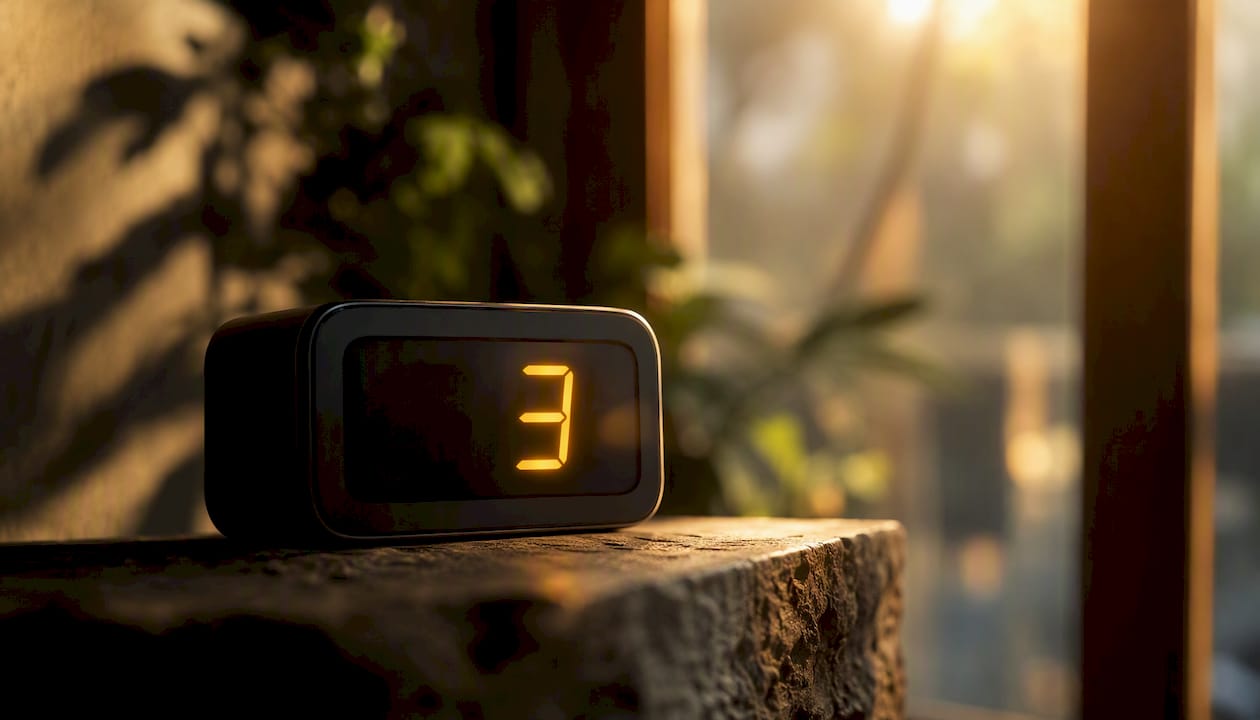
Thriller (Zeitbombe): „Das Paket lag auf dem Tisch. Der Timer zeigte 00:03.“ Technik: Deadline. Risiko: Wenn die Auflösung im nächsten Kapitel zu lange braucht, verliert die Zeitangabe ihre Glaubwürdigkeit.
Romanze (Emotionaler Wendepunkt): „Er hatte es die ganze Zeit gewusst. Und sie hatte es ihm nie gesagt.“ Technik: Enthüllung mit emotionalem Gewicht. Funktioniert, weil die Beziehung auf dem Spiel steht, nicht ein Leben.

Fantasy (Andeutung): „Das Siegel war gebrochen.“ Technik: Weckruf. Drei Wörter reichen, wenn der Leser weiß, was das Siegel bedeutet. Ohne Vorarbeit ist der Satz leer.
Sachtext (Neugier-Frage): „Aber welche dieser Techniken funktioniert wirklich, wenn die Zeit knapp ist?“ Technik: Offene Frage als Absatzende. Hält den Leser im Text, ohne dramaturgische Mittel zu überstrapazieren.
Schwaches Beispiel (Anti-Pattern): „Plötzlich passierte etwas Schreckliches.“ Warum es nicht funktioniert: Keine konkrete Bedrohung, keine emotionale Investition, keine Frage. Der Satz ist Platzhalter, kein Versprechen.
Prüfe deinen Cliffhanger vor der Veröffentlichung
Bevor du ein Kapitel veröffentlichst, geh diese Punkte durch:
- Sind die Stakes klar? Weiß der Leser, was verloren gehen kann?
- Ist die offene Frage relevant für die Figur und die Geschichte?
- Ist der letzte Satz kurz genug, um allein zu stehen?
- Hast du das Versprechen aus dem letzten Cliffhanger eingelöst?
- Wie viele harte Cliffhanger hattest du in den letzten fünf Kapiteln?
Zur Leserperspektive: Hat der Leser genug emotionale Investition aufgebaut, bevor du abbrichst? Ein Cliffhanger funktioniert nur, wenn der Leser die Figur kennt und ihr etwas bedeutet.
Testleser-Feedback gezielt abfragen:
- Was war die erste Frage, die du nach dem letzten Satz hattest?
- Hättest du sofort weitergelesen? Warum oder warum nicht?
- Welche Szene davor hat dich am stärksten mitgezogen?
Wie misst du die Wirkung deiner Cliffhanger?
Wirkung lässt sich messen. Wer Geschichten kapitelweise veröffentlicht, hat Zugang zu konkreten Signalen:
- Klickrate auf das nächste Kapitel: Direkte Messung der Cliffhanger-Wirkung.
- Verweildauer pro Kapitel: Zeigt, ob Leser bis zum Ende bleiben oder abbrechen.
- Rückkehrquote: Wie viele Leser kommen nach einer Pause zurück?
- Kapitel-Abbruchrate: Wo steigen Leser aus? Das zeigt, wo Spannung fehlt.
Profis variieren zwischen harten und weichen Cliffhangern und messen Wirkung anhand von Kapitel-Abbruchraten und Rückkehrquoten. Ein A/B-Test ist dabei einfacher als er klingt: Veröffentliche zwei Kapitel mit unterschiedlichen Schlüssen und vergleiche, welches mehr Rückkehrer erzeugt.
Für Drehbuchautoren, die Cliffhanger in kurzen, seriellen Videoformaten testen wollen, bieten Tools für die Produktion serielle Episoden eine gute Grundlage für Formatexperimente.
Profi-Tipp: Führe ein einfaches Kapitel-Log: Notiere für jedes Kapitel, welche Cliffhanger-Technik du genutzt hast, und trage später die Metriken ein. Nach zehn Kapiteln erkennst du Muster.
Deine Cliffhanger-Serien auf Outastory veröffentlichen
Wer Cliffhanger nicht nur schreibt, sondern auch testet, braucht eine Plattform, die kapitelweises Veröffentlichen wirklich unterstützt.
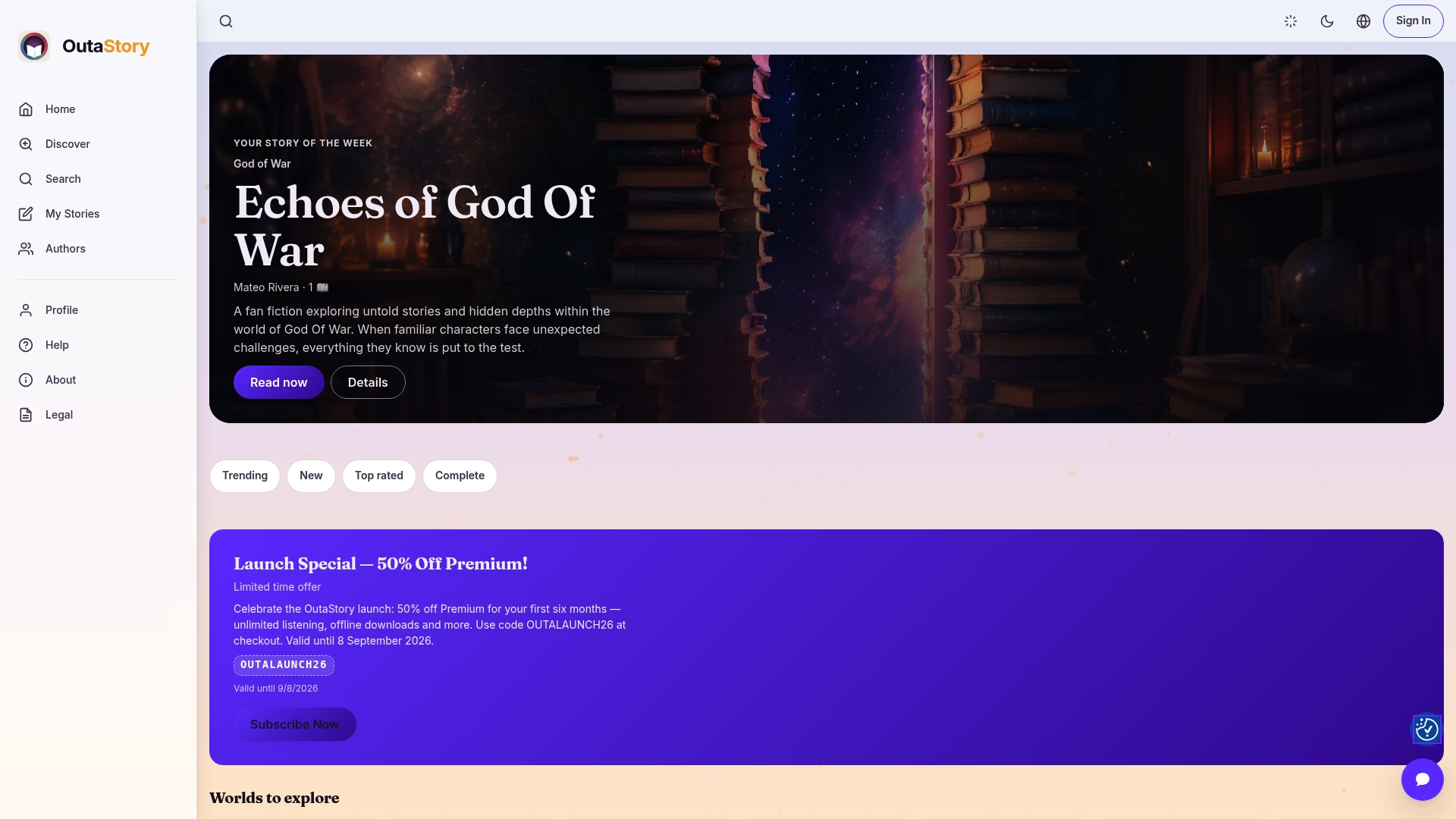
Outastory ist genau dafür gebaut. Du veröffentlichst deine Kurzgeschichte in wenigen Minuten, legst Kapitel an und lässt sie als Fortsetzungsgeschichte erscheinen. Leser können jedes Kapitel lesen oder als Hörbuch abspielen, mit professionell produzierten Stimmen oder deiner eigenen. Das Genre-Spektrum reicht von Thriller und Fantasy bis zu Romantasy und Horror. Und du verdienst an jedem Kapitel mit, über die Umsatzbeteiligung von Outastory.
Das macht Outastory zum idealen Testfeld: Veröffentliche eine Cliffhanger-Serie, beobachte Rückkehrquoten und Verweildauer, und justiere deine Technik auf Basis echter Leserdaten. Starte jetzt deine erste Fortsetzungsgeschichte auf Outastory und bring deine Cliffhanger vor ein echtes Publikum.
Quellen
- Cliffhanger – Wikipedia
- Cliffhanger – Duden
- Cliffhanger und Spannungsbögen — Wiki | Lazi Akademie
- Cliffhanger schreiben – 3 Techniken für Anfänger
- Cliffhanger schreiben: Gute Taktik oder schlechter Stil? - Zeilenschlinger
FAQ
Was genau ist ein Cliffhanger?
Ein Cliffhanger ist eine dramatische Unterbrechung der Handlung am Spannungshöhepunkt, die den Ausgang offenlässt und so die Neugier auf die Fortsetzung weckt. Der Begriff ist seit Thomas Hardys Roman A Pair of Blue Eyes (1873) als Erzähltechnik belegt.
Was ist ein Synonym für „Cliffhanger“?
Gebräuchliche Synonyme sind Spannungsunterbrechung, offenes Ende oder dramatischer Wendepunkt. Im Drehbuch-Jargon spricht man auch vom Act-Out.
Wie oft sollte ich Cliffhanger in einem Roman einsetzen?
Als Richtwert gilt: harte Cliffhanger alle 3–5 Kapitel, dazwischen weiche Varianten mit emotionaler Offenheit. Zu hohe Frequenz stumpft ab und kostet Leservertrauen.
Muss ein Cliffhanger immer physische Gefahr zeigen?
Nein. Emotionale Wendepunkte, Verrat oder eine unerwartete Enthüllung wirken oft nachhaltiger als körperliche Bedrohung, weil sie den Status quo der Figuren dauerhaft verändern.
Wo kann ich Cliffhanger-Serien veröffentlichen und testen?
Outastory erlaubt kapitelweise Veröffentlichung von Kurzgeschichten mit Hörbuch-Funktion und Umsatzbeteiligung. Das macht die Plattform zum praktischen Testfeld für serialisierte Cliffhanger-Strukturen.
Lesen und schreiben auf OutaStory
Kurzgeschichten kostenlos lesen – oder eigene Geschichten veröffentlichen und Leser finden.