
Englisch lernen mit Kurzgeschichten: Dein Einstieg
Kurzgeschichten sind eine der wirksamsten Methoden, um Wortschatz und Sprachgefühl im Englischen aufzubauen. Und das Beste: Du brauchst keine Stunde am Tag. Drei Schritte reichen für den Anfang.
Deine 3-Schritte-Mini-Routine:
- Schritt 1 – Auswahl: Wähle eine Geschichte, die zu deinem Niveau passt. A1/A2-Lernende starten mit graded readers oder zweisprachigen Texten, B1-Lernende mit einfachen Originalgeschichten.
- Schritt 2 – Fokussierte Session: Lies oder höre die Geschichte aktiv. Markiere unbekannte Wörter, erschließe Bedeutungen aus dem Kontext, und mache kurze Notizen.
- Schritt 3 – Aktive Wiederholung: Übertrage neue Vokabeln in eine Lernkartei (SRS), schreibe 2–3 Sätze mit den neuen Wörtern, oder sprich einen Abschnitt laut nach (Shadowing).
Eine Session dauert typischerweise zwanzig bis fünfundvierzig Minuten. Mehrere Sessions pro Woche über einen Monat hinweg können zu einem spürbaren Unterschied im Leseverständnis führen. Laut dem Sprachforschungskonzept des extensiven Lesens, das Preply in seiner Klassikerliste aufgreift, verankern Geschichten Wortschatz und Grammatikmuster durch Kontext auf eine Art, die isoliertes Vokabellernen nicht leisten kann.
Wichtige Erkenntnisse
Kurzgeschichten sind die effektivste Methode für Einsteiger, weil sie Wortschatz, Grammatik und Hörverstehen gleichzeitig trainieren, ohne zu überfordern.
| Thema | Details |
|---|---|
| Optimale Sessionlänge | 20–45 Minuten pro Einheit, drei- bis viermal pro Woche, reichen für spürbare Fortschritte. |
| Niveau richtig wählen | Rund 95 % bekannte Wörter im Text ist der Richtwert: genug Kontext, um Neues zu erschließen. |
| SRS für Vokabeln nutzen | Anki oder Quizlet mit Beispielsätzen aus dem Text verankern neue Wörter dauerhaft. |
| Audio und Shadowing | Professionelle Audiospuren (z. B. auf Outastory oder Audible.de) machen Aussprache und Intonation trainierbar. |
| Sofort starten | Outastory bietet kostenlose englische Kurzgeschichten mit Audio, ideal als erster Einstiegspunkt. |
Inhaltsverzeichnis
- Welche Kurzgeschichten eignen sich für Englischanfänger?
- Wo kannst du englische Kurzgeschichten in Deutschland lesen oder hören?
- Wie lernst du am effektivsten mit einer Kurzgeschichte?
- Welcher Text passt zu welchem Sprachniveau?
- Welche Hilfsmittel machen das Lernen mit Texten einfacher?
- Wie hilft Outastory dir konkret beim Englischlernen?
- Quellen
- FAQ
Welche Kurzgeschichten eignen sich für Englischanfänger?
Für jeden Lernenden gibt es passende Texte. Die folgende Liste zeigt bewährte Reihen und Titel, geordnet nach dem Gemeinsamen Europäischen Referenzrahmen (GER).
A1 – Erste Schritte
- Oxford Bookworms Starter (z. B. Mulan oder The Wizard of Oz): Rund 250 Grundwörter, sehr kurze Sätze, viele Bilder. Lesezeit: ca. 30–40 Minuten. Ideal für Vokabelaufbau im Grundwortschatz.
- Penguin Readers Level 1 (z. B. Toy Story): Einfache Dialoge, bekannte Geschichten. Lesezeit: ca. 25–35 Minuten. Gut für erste Hörübungen, da Audioversionen verfügbar sind.
- Nine Lives in the Bookshop von Emily Carroway (Frank-Lesemethode, A1–A2): Direkte Kontextübersetzungen im Fließtext plus Audio-Download. Lesezeit: ca. 20–30 Minuten pro Kapitel. Besonders geeignet, weil der Lesefluss durch eingebettete Übersetzungen erhalten bleibt.
A2 – Grundkenntnisse festigen
- Berta Ziebart: 10 einfache A2-Kurzgeschichten mit Vokabellisten, Audiodateien und parallelem englisch-deutschen Text: Wortschatz rund 1.000 Wörter, extensives Lesen als Methode. Lesezeit: ca. 15–20 Minuten pro Geschichte.
- Oxford Bookworms Level 1–2 (z. B. The Elephant Man, Sherlock Holmes Short Stories): Klare Erzählstruktur, hoher Dialoganteil. Lesezeit: 45–60 Minuten pro Band.
- Penguin Readers Level 2 (z. B. Notting Hill): Alltagssprache, viele Redewendungen. Gut für Hörverstehen.
B1 – Alltagssprache sicher verstehen
- Oxford Bookworms Level 3–4 (z. B. The Secret Garden, Treasure Island): Längere Sätze, komplexere Handlung, rund 1.000–1.400 Wörter Wortschatz. Lesezeit: 60–90 Minuten.
- Penguin Readers Level 3 (z. B. The Firm von John Grisham): Authentischere Sprache, gut für Leseverständnis und Grammatikmuster.
- EasyOriginal-Texte (Frank-Lesemethode): Originalnahe Texte mit Kontexthilfen direkt im Fließtext, Audio inklusive. Ideal für den Übergang von adaptierten zu echten Texten.
B2 – Auf dem Weg zur Eigenständigkeit
- Oxford Bookworms Level 5–6 (z. B. Wuthering Heights, Great Expectations): Annäherung an Originalsprache, rund 1.800–2.500 Wörter Wortschatz.
- Penguin Readers Level 4–5: Authentische Romane in leicht gekürzter Form, kaum Hilfsmittel nötig.
- Klassische Kurzgeschichten (z. B. The Gift of the Magi von O. Henry, The Necklace von Guy de Maupassant auf Englisch): Kurz, stilistisch reich, frei verfügbar bei Project Gutenberg.
Wo kannst du englische Kurzgeschichten in Deutschland lesen oder hören?
Die Quellen lassen sich grob in drei Kategorien einteilen: kostenlos, kostenpflichtig und Bibliothek. Jede hat ihre Stärken.
| Quelle | Kosten | Audio verfügbar | Niveaukennzeichnung | Besonderheit |
|---|---|---|---|---|
| Project Gutenberg / Librivox | Kostenlos | Ja (Librivox) | Nein | Public-Domain-Klassiker, große Auswahl |
| Outastory | Kostenlos / Premium | Ja | Nein | Professionelle Stimmen, Genres auf Englisch und Deutsch |
| Readable (App) | Kostenlos / Abo | Ja | Ja (A1–C1) | Wortübersetzungen im Text, Vokabeltrainer |
| Oxford Bookworms / Penguin Readers | Kauf | Teilweise | Ja (Level 1–6) | Didaktisch aufbereitet, weit verbreitet |
| Audible.de | Abo (ca. 10 €/Monat) | Ja | Nein | Große Auswahl, professionelle Sprecher |
| Buchhandel (jpc, Hugendubel, ebook.de) | Kauf | Teilweise | Ja | Frank-Methode-Reihen, zweisprachige Ausgaben |
| Stadtbibliothek / Onleihe | Kostenlos (mit Ausweis) | Teilweise | Teilweise | Digitale Ausleihe von graded readers möglich |
| StoryStudies (YouTube) | Kostenlos | Ja | Nein | Englische Hörgeschichten mit Übersetzungen |
Wann ist Audio sinnvoll, wann reiner Text?
- Audio eignet sich besonders für Aussprache, Intonation und Shadowing. Wer Hörverstehen trainieren will, kombiniert Text und Ton.
- Reiner Text ist besser für tiefes Leseverständnis und Grammatikanalyse. Anfänger profitieren oft davon, erst zu lesen, dann zu hören.
Die Readable-App kombiniert beides: levelangepasste Kurzgeschichten mit eingebetteten Wortübersetzungen und einem integrierten Vokabeltrainer. Zweisprachige Ausgaben, wie sie etwa bei EasyOriginal oder Berta Ziebart erscheinen, sind besonders für A1/A2-Lernende hilfreich, weil sie den Lesefluss erhalten, ohne dass man ständig ein Wörterbuch öffnen muss.
Profi-Tipp: Project Gutenberg und Librivox bieten Tausende englische Texte kostenlos an. Für Anfänger sind diese Klassiker aber oft zu schwer. Starte dort erst ab B2 und nutze für A1–B1 lieber didaktisch aufbereitete Materialien.
Wie lernst du am effektivsten mit einer Kurzgeschichte?
Eine effektive Session umfasst mehrere Phasen, die systematisch gestaltet werden können.
Zeitplan für eine 35-Minuten-Session:
- Vorbereitung (5 Minuten): Lies den Titel und die ersten zwei Sätze. Scanne den Text kurz auf Wörter, die du nicht kennst. Setze dir ein konkretes Ziel: z. B. „Ich lerne heute 5 neue Wörter“ oder „Ich achte auf die Verwendung des Simple Past.“
- Lesen und Hören (20 Minuten): Lies den Text einmal durch, ohne bei jedem unbekannten Wort zu stoppen. Markiere Wörter, die du nicht verstehst. Beim zweiten Durchgang: Erschließe Bedeutungen aus dem Kontext. Wenn Audio verfügbar ist, höre parallel oder danach und sprich Abschnitte laut nach (Shadowing).
- Nacharbeit (10 Minuten): Übertrage markierte Wörter in eine SRS-App (z. B. Anki). Schreibe 2–3 eigene Sätze mit den neuen Vokabeln. Lies einen kurzen Abschnitt laut vor und nimm dich dabei auf.
Checkliste für jede Session:
- Niveau passend gewählt (ca. 95 % bekannte Wörter)?
- Ziel vor dem Lesen festgelegt?
- Unbekannte Wörter markiert und in SRS übertragen?
- Mindestens einen Abschnitt laut gesprochen?
- Wiederholungstermin in der Lernkartei gesetzt?
Profi-Tipp: Shadowing, also das gleichzeitige oder leicht verzögerte Mitsprechen mit dem Audio, ist eine der effektivsten Methoden für Aussprache und Intonation. Starte mit langsamer Geschwindigkeit und erhöhe sie schrittweise.
Die Frank-Lesemethode von EasyOriginal zeigt gut, wie Kontexthilfen direkt im Text den Lesefluss erhalten können: Übersetzungen stehen in Klammern neben dem Originalwort, sodass du nicht aus dem Lesefluss gerissen wirst. Das ist besonders in der Vorbereitungsphase hilfreich.
Welcher Text passt zu welchem Sprachniveau?
Hier siehst du auf einen Blick, was dich auf jeder Stufe erwartet und welches Lernziel realistisch ist.
| Niveau | Typische Textmerkmale | Wortschatz | Lernziel nach 4 Wochen | Beispieltitel |
|---|---|---|---|---|
| A1 | Sehr kurze Sätze, Grundwortschatz, viele Bilder | ca. 250 Wörter | Einfache Sätze lesen, 2–3 Sätze schreiben | Oxford Bookworms Starter, Penguin Readers Level 1 |
| A2 | Kurze Dialoge, Alltagssituationen, wenig Nebensätze | ca. 1.000 Wörter | Alltagstexte verstehen, Simple Past sicher | Berta Ziebart A2, Nine Lives in the Bookshop |
| B1 | Längere Sätze, Erzählperspektiven, Redewendungen | rund 1.000–1.400 Wörter | Alltagsdialoge sicher verstehen, Texte zusammenfassen | Oxford Bookworms Level 3–4, EasyOriginal |
| B2 | Komplexe Handlung, idiomatische Sprache, wenig Hilfen | rund 1.800–2.500 Wörter | Authentische Texte lesen, Nuancen verstehen | Oxford Bookworms Level 5–6, O. Henry Klassiker |
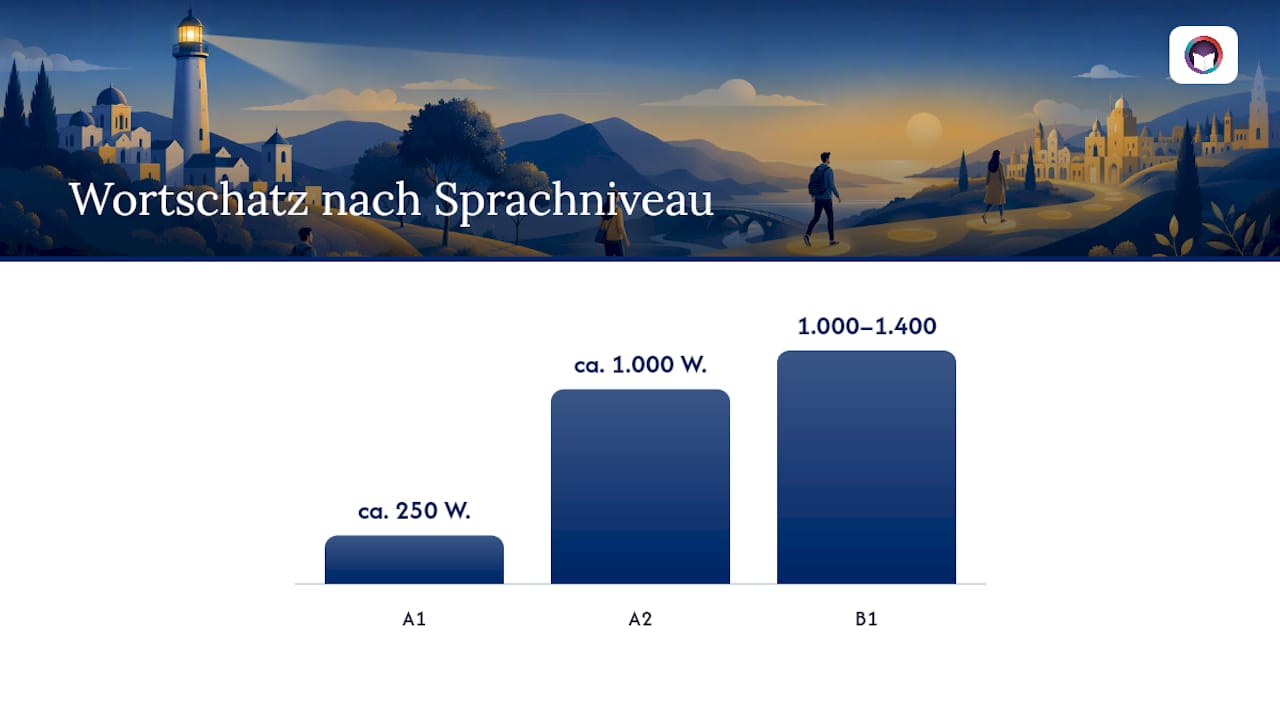
Ein realistisches Ziel für vier Wochen auf A2: Du kannst einen einfachen englischen Dialog aus einer Kurzgeschichte nacherzählen und kennst rund 150 neue Wörter. Auf B1 liegt das Ziel eher darin, einen Abschnitt ohne Hilfsmittel zu verstehen und die Hauptaussage auf Englisch zusammenzufassen.
Welche Hilfsmittel machen das Lernen mit Texten einfacher?
Die Methode steht. Jetzt kommen die Werkzeuge, die sie schärfer machen.
SRS-Vokabeltrainer:
- Anki (kostenlos, Desktop und App): Erstelle Karten direkt aus deiner Wortliste nach jeder Session. Anki zeigt dir Wörter genau dann wieder, wenn du sie sonst vergessen würdest.
- Quizlet: Einfacher zu bedienen als Anki, gut für Einsteiger. Fertige Wortlisten zu graded readers sind oft schon vorhanden.
Parallele Texte und Transkripte:
- Zweisprachige Ausgaben (Englisch/Deutsch) helfen besonders auf A1/A2, weil du sofort nachschlagen kannst, ohne den Lesefluss zu unterbrechen.
- Transkripte zu Hörbüchern findest du bei manchen Verlagen als PDF-Beilage oder Download.
Audio-Player und Shadowing:
- Audible.de bietet Geschwindigkeitsregelung (0,5x bis 3,5x). Starte beim Shadowing mit 0,75x und steigere dich.
- Librivox-Aufnahmen sind kostenlos und lassen sich in jedem Podcast-Player abspielen.
Annotationstools:
- Der eingebaute Wörterbuchmodus in E-Reader-Apps (z. B. Kindle) erlaubt es, ein Wort anzutippen und sofort die Übersetzung zu sehen, ohne die App zu wechseln.
- Die Readable-App kombiniert Annotation und Vokabeltraining in einer Oberfläche.
Wer das Lernen gelegentlich spielerischer gestalten will: Escape Rooms im Englischunterricht sind eine überraschend effektive Methode, um Leseverständnis und Vokabular unter Zeitdruck zu aktivieren, und lassen sich auch im Selbststudium als Idee adaptieren.
Profi-Tipp: Erstelle nach jeder Kurzgeschichte eine Anki-Karte mit einem Beispielsatz aus dem Text, nicht nur mit dem isolierten Wort. Kontext ist der entscheidende Unterschied zwischen Wörtern, die hängen bleiben, und solchen, die du nach einer Woche wieder vergessen hast.

Wie hilft Outastory dir konkret beim Englischlernen?
Outastory ist eine Plattform zum kostenlosen Lesen und Hören von Kurzgeschichten, auf Deutsch und auf Englisch. Für Lernende ist das eine direkte Kombination: authentische englische Texte, sofort verfügbar, mit professionell produzierten Audiospuren.
Was Outastory konkret bietet:
- Lesen und Hören in einem: Jede Geschichte lässt sich als Hörbuch abspielen, mit professionellen Stimmen oder der Stimme des Autors. Das ist ideal für die Shadowing-Phase deiner Session.
- Genres für jeden Geschmack: Fantasy, Romantasy, Science-Fiction, Krimi, Thriller, Horror und ein eigener Kinderbereich mit Gute-Nacht-Geschichten und Tierabenteuern. Wer eine Geschichte wählt, die ihn wirklich interessiert, liest länger und lernt mehr.
- Kapitel-Serialisierung: Viele Geschichten erscheinen kapitelweise. Das schafft natürliche Session-Grenzen: ein Kapitel pro Einheit, fertig.
- Freemium-Modell: Der Einstieg ist kostenlos. Premium schaltet unbegrenztes Hören, werbefreie Nutzung und Offline-Zugriff frei.
So baust du Outastory in deine 3-Schritte-Routine ein:
- Wähle eine englische Kurzgeschichte auf Outastory, die zu deinem Niveau und deinen Interessen passt.
- Lies das erste Kapitel durch und markiere unbekannte Wörter in deinen Notizen.
- Spiele danach die Audioversion ab und sprich Abschnitte laut mit.
Starte heute kostenlos auf Outastory und such dir deine erste englische Geschichte aus. Der Einstieg dauert keine zwei Minuten.
Quellen
Hier findest du die wichtigsten Anlaufstellen, direkt nutzbar:
- Readable:Englische Geschichten‑App – App Store
- Englische Geschichten: 15 Klassiker
- Ebook
- Jpc
- Frank‑Lesemethode (EasyOriginal)
FAQ
Wie lerne ich Englisch durch das Lesen von Geschichten?
Wähle eine Geschichte auf deinem Niveau, lies sie aktiv mit Markierungen, und übertrage neue Wörter danach in eine SRS-App wie Anki. Drei bis vier Sessions pro Woche von je 20–45 Minuten reichen, um nach vier Wochen einen spürbaren Unterschied zu merken.
Welche englischen Kurzgeschichten eignen sich für absolute Anfänger?
Oxford Bookworms Starter und Penguin Readers Level 1 sind didaktisch aufbereitet und beginnen mit rund 250 Grundwörtern. Für Lernende, die gleichzeitig Audio und Übersetzungshilfen wollen, sind die A2-Geschichten von Berta Ziebart oder die Frank-Methode-Reihe von Emily Carroway gute Einstiege.
Kann man eine Sprache wirklich nur durch Kurzgeschichten lernen?
Geschichten allein reichen nicht für alle Sprachfertigkeiten, aber sie sind besonders effektiv für Wortschatz, Leseverständnis und Grammatikgefühl. Kombiniere sie mit Shadowing für Aussprache und kurzen Schreibübungen nach jeder Session, um alle Bereiche abzudecken.
Wie lerne ich Englisch am schnellsten als Anfänger?
Regelmäßigkeit schlägt Intensität: Tägliche 20-Minuten-Sessions mit einer Kurzgeschichte plus SRS-Wiederholung bringen mehr als ein wöchentliches Zwei-Stunden-Lernen. Wähle Texte, die dich wirklich interessieren, denn Motivation ist der stärkste Beschleuniger.
Empfehlung
Lesen und schreiben auf OutaStory
Kurzgeschichten kostenlos lesen – oder eigene Geschichten veröffentlichen und Leser finden.