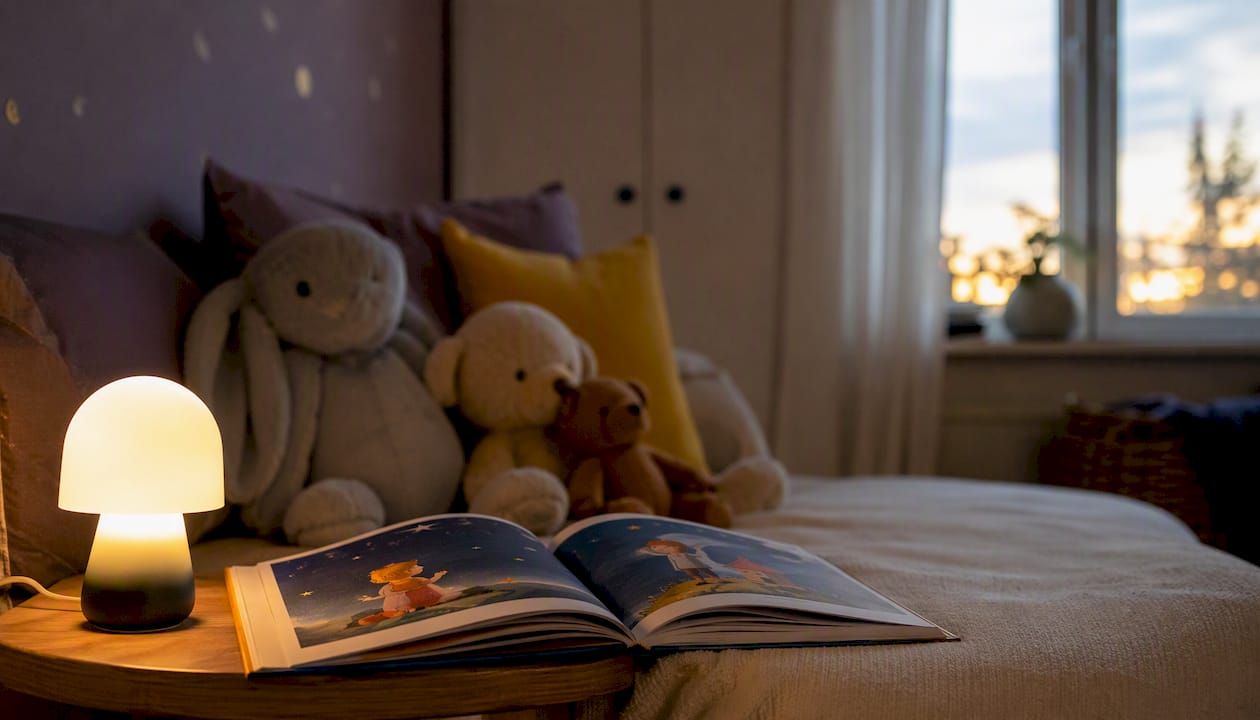
The best bedtime stories for children from 0 to 8+
The best bedtime stories for children, sorted by age and reading time: here is the shortlist you can use tonight.
- Good Night Gorilla (Peggy Rathmann) | 0–3 years | a short reading time | soothing | picture book | purchase/library
- Bobo Siebenschläfer (Markus Osterwalder) | 1–3 years | approx. 3 min. | soothing | picture book | purchase/library
- Good Night, I Love You (Sam McBratney) | 2–5 years | approx. 3 min. | soothing | picture book | purchase/library
- The Big Yawn (Britta Teckentrup) | 2–4 years | a short reading time | soothing | picture book | purchase/library
- Sleep Well, Digger Ben! (Sherri Duskey Rinker) | 3–5 years | a short to medium reading time | soothing/funny | rhyme | purchase/library
- Good Night, Little Owl! (Martin Waddell) | 2–5 years | approx. 3 min. | soothing | picture book | purchase/library
- The Little Mole Gets a Name (Werner Holzwarth) | 4–7 years | a medium reading time | funny/adventurous | short story | purchase/library
- Outastory children's section | all age groups | 2–10 min. | soothing | audio story | free/premium
Reading aloud has been shown to reduce children's stress levels, promote language development and strengthen the emotional bond, as Spektrum der Wissenschaft explains. Short, recurring rituals are more effective than irregular reading.
Key takeaways
The best sleep stories for children are age-appropriate, end calmly and can be read or listened to in under ten minutes.
| Topic | Details |
|---|---|
| Age-appropriate selection | For 0–4 years: short reading time, picture book or rhyme; from 5 years: up to 10 minutes, short story. |
| Calm ending as a must | Stories with an open or exciting ending keep children awake; a positive ending is the most important selection criterion. |
| Regular ritual works | Short, recurring reading rituals are more effective than occasional long readings. |
| Audio as a supplement | Audio stories help on evenings when reading aloud isn't possible; offline mode and child-friendly voices are crucial. |
| Outastory as a listening option | Outastory offers a free children's area with audio versions, professional voices and premium offline access for Germany. |
Table of contents
- Which bedtime stories suit which age?
- Which 3- and 5-minute stories are suitable for quick evening rituals?
- When does which mood and which format fit?
- Audio stories in Germany: when is audio worth it?
- How do you quickly choose the right story?
- How do you read aloud so children actually fall asleep?
- Outastory as an audio stories companion for the bedtime ritual
- Sources
- FAQ
Which bedtime stories suit which age?
Choosing age-appropriate stories is the quickest route to a peaceful night. Zitronenbande recommends reading times of short to medium length for toddlers; from five years, 5–10 minutes are fine.
0–2 years: simple, rhythmic, short
Good Night Gorilla (Peggy Rathmann) needs hardly any words. The gorilla sneaks through the zoo, the picture tells almost everything. Reading time: a very short reading time. Perfect, because babies and toddlers respond to pictures and tone, not to plot.
The Big Yawn (Britta Teckentrup) shows animal by animal falling asleep. The repetition acts like a lullaby. Format: picture book, a very short reading time
3–4 years: familiarity and rituals
Bobo Siebenschläfer (Markus Osterwalder) accompanies a dormouse through his evening. Children at this age recognize themselves in Bobo's routine. Reading time: a short reading time. Mood: soothing.
Good Night, I Love You (Sam McBratney) builds on a simple contest: who loves whom more? The ending is warm and open. Format: picture book, approx. a short reading time. Carlsen lists it as a classic bedtime book with a positive ending, one of the most important selection criteria.
Good Night, Little Owl! (Martin Waddell) shows three owlets waiting for their mother. Gentle tension, soothing ending. Reading time: a short reading time.
5–7 years: a bit of plot, gentle ending
Sleep Well, Digger Ben! (Sherri Duskey Rinker) tells in rhyme about the end of the workday for construction machines. The rhythm slows down from page to page. Reading time: a short to medium reading time, Format: rhyme, Mood: soothing with a wink.
The Little Mole Gets a Name (Werner Holzwarth) is a bit longer and genuinely funny. Children laugh, but the story winds down calmly. Reading time: a medium reading time, Format: short story.
8+ years: short adventures with a calm finish
From eight years, children can handle more plot as long as the ending isn't exciting. Short fairy tales from the Grimm collection, calm animal adventures or first chapters from continuing stories work well. Reading time: a medium to longer reading time Familie with age-related recommendations that are particularly suitable for this group.
Which 3- and 5-minute stories are suitable for quick evening rituals?
Sometimes it's already 8:30 pm and the child is still wide awake in bed. Then it doesn't need an epic plot, but a story that reaches a calm ending within three minutes.
Quick story templates:
- Short animal story: An animal (rabbit, hedgehog, fox) has had a long day, finds its sleeping place and snuggles in.
- Dream journey: The child closes their eyes and travels on a cloud over fields, forests and lakes until it gently lands.
- Small mishap with a gentle ending: A character loses something, looks for it, finds it again and falls asleep relieved.
3-minute version (story arc):
- The character is introduced (a tired little bear).
- The bear looks for his favorite place to sleep.
- He finds it, snuggles in, the stars shine.
5-minute version (story arc):
- The character experienced something exciting during the day.
- They tell a friend or an animal about it.
- Both become tired from talking.
- They find a cozy place.
- Everything grows quiet, the story ends with a deep breath.
OnkelGuido offers over 400 free bedtime stories, many of them sortable by length, which makes choosing much easier for tight evenings.
Pro tip: Start with a single question: "Do you know what happened to the little fox today?" Children listen immediately. Build the story in two to three sentences and noticeably slow the pace as soon as the character becomes sleepy.
When does which mood and which format fit?
The choice between soothing and funny is not a matter of taste, but of the evening.
Soothing stories are suitable for most evenings. Calm tone, simple plot, positive ending. They signal to the child: the day is over, now it's quiet. Picture books like Good Night Gorilla or Bobo Siebenschläfer work reliably here.
Funny stories can help when a child is still agitated after a difficult day. Humor releases tension. But: the story must wind down calmly at the end. Sleep Well, Digger Ben! achieves this through its rhyme rhythm, which slows from page to page. A story that ends with a laugh and then abruptly stops keeps children awake.
Formats at a glance:
- Picture book: Visual, ideal for 0–5 years. The child watches along, the picture slows the gaze.
- Rhyme: Rhythmic and predictable. Children relax because they know the pattern. Good for 2–6 years.
- Short story: A bit more plot, no picture book necessary. Good for 5–8 years, when the child can already listen.
- Audio story: Calm voices, no screen. Ideal as a supplement or when reading aloud is not possible.
Three use cases:
- The child is restless after a long day: picture book with repetitive elements, e.g. The Big Yawn.
- The child is still in energy mode: short funny story with a calm ending, e.g. The Little Mole Gets a Name.
- The child is sick or feeling homesick: warm, familiar story with a known character, e.g. Bobo Siebenschläfer.
Audio stories in Germany: when is audio worth it?
Audio stories are not a substitute for reading aloud, but they are an honest helper on evenings when reading simply doesn't work. Long workdays, illness, car rides after an outing. Then a calm voice from the speaker is better than no story at all.
Typical go-to options in Germany:
- Onleihe / library app: Many municipal libraries offer audiobooks and radio plays for free via app, with a library card.
- Toniebox: Physical audio figures for toddlers, no screen, easy to use. Purchase plus figures.
- Publisher apps (e.g. Oetinger Audio, Hörverlag): Curated content, often as single purchase or subscription.
- Outastory: Children's section with short stories and audio versions, professional voices, free access plus premium subscription for offline use and unlimited listening.
Audio stories work best when used as a supplement. Child-appropriate voices and the possibility of offline use are decisive so the bedtime ritual also works without an internet connection. Outastory offers both in the children's section.
Privacy and offline use: Parents should check whether an app stores child data and whether it is GDPR-compliant. Offline mode is not a luxury but practical when the Wi‑Fi falters in the evening or the child needs to fall asleep in the car.
How do you quickly choose the right story?
A short checklist for the evening when time is tight:
- Check the age: Does the story fit the developmental stage? Too much plot overwhelms toddlers, too little bores schoolchildren.
- Measure reading time: How much time is left? Under five minutes: picture book or 3-minute template. Up to ten minutes: short story or rhyme.
- Check tone and ending: Does the story end calmly? An open or exciting ending keeps children awake.
- Avoid triggers: Topics like separation anxiety, darkness or loss can be counterproductive on some evenings. Familiar characters are safer.
- Check audio option: If reading aloud isn't possible tonight, is there an audio version on a trusted platform?
Red flags when choosing:
- Too many cliffhangers or open questions at the end
- Loud action scenes right before the close
- Themes that trigger fears (monsters, loss, darkness without resolution)
- Stories that are too long for the age
Quick questions for selection:
- How old is the child emotionally tonight? (Tired, hyped up, sad?)
- How many minutes do we realistically have?
- Does the child have a favorite character that appears?
How do you read aloud so children actually fall asleep?
Reading itself is at least as important as the story. Reading aloud promotes language development and concentration and strengthens the emotional bond, but only if it happens regularly and intentionally.
Do’s:
- Lower and slow your voice deliberately as the story calms down
- Insert pauses, especially after key sentences
- Emphasize repetitions, children love the familiar
- Maintain eye contact while the child is still awake
Don’ts:
- Loud voices or dramatic emphasis right before the end
- Too many character voices that hype children up
- Stopping in the middle of the story because you're tired
Example ritual in five steps:
- Brush teeth and put on pajamas (signal the transition)
- Dim the lights, only a bedside lamp
- Read the story, slow the pace from page to page
- Say the last sentence especially calmly and slowly
- Quick cuddle, then leave the room quietly
Pro tip: Dialogues and rhymes are good, but say them quieter than the rest of the story, not louder. Children who want to join in will thus be gently slowed rather than encouraged.
Outastory as an audio stories companion for the bedtime ritual
Buying books, visiting the library, inventing stories yourself: all of that works. But on evenings when time is short or your voice fails, you need a reliable alternative.
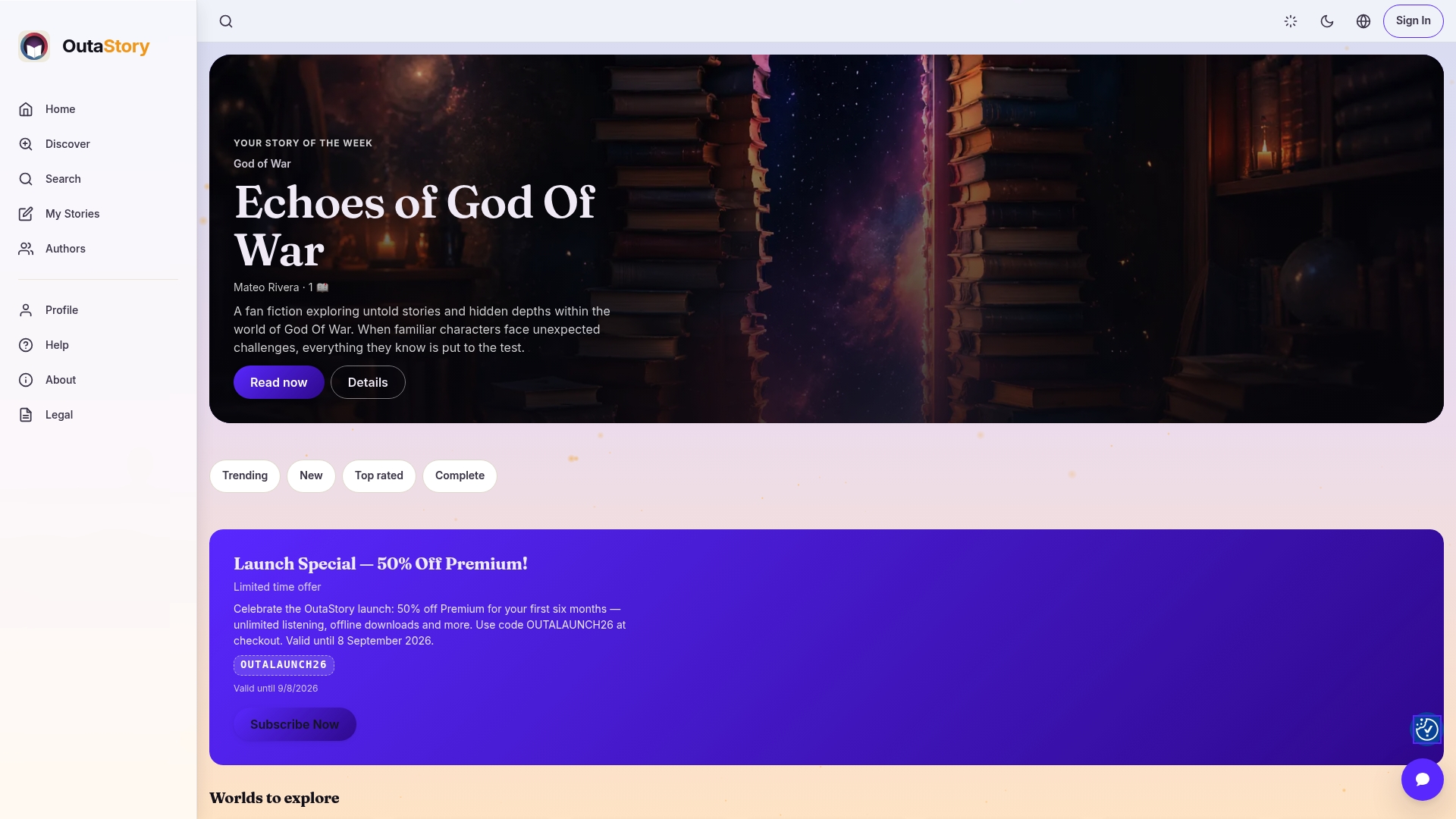
Outastory offers its own children's section with short stories and audio versions, narrated by professional voices or the authors themselves. Access is free; a premium subscription unlocks offline use and unlimited listening. No screen needed, no scrolling through unvetted content. The platform is available in German and English and works in Germany without restrictions.
Anyone who wants to supplement tonight's bedtime ritual with an audio story can try Outastory for free and go directly to the children's section.
Sources
If you're looking beyond the recommended titles, there are several reliable go-to places in Germany:
- Reading aloud: Why the bedtime story is important for children
- Bedtime stories for children » 120+ free to read aloud
- The prettiest bedtime books and bedtime stories
FAQ
What is the shortest bedtime story for children?
Picture books like Good Night Gorilla by Peggy Rathmann can be read in a very short time and are therefore suitable for toddlers from about one year. For improvised short stories, three sentences are enough: introduce the character, become sleepy, fall asleep.
Which 3-minute stories are suitable for reading aloud?
Bobo Siebenschläfer, Good Night, I Love You and Good Night, Little Owl! can all be read in about three minutes. Alternatively, improvised short animal stories following the pattern: character, sleeping place, calm ending work well.
Which 5-minute bedtime stories are there?
Sleep Well, Digger Ben! and The Little Mole Gets a Name both fall into a short to medium reading time. On platforms like Outastory and collections like OnkelGuido you can find many other short stories of this length, free and filterable by duration.
How do stories help with falling asleep?
Reading aloud lowers stress levels, slows breathing and signals to the brain that the day is over. A calm tone, a positive ending and a consistent ritual repeated every evening are crucial.
Recommendation
Read and write on OutaStory
Thousands of short stories to read for free — or publish your own and find an audience.