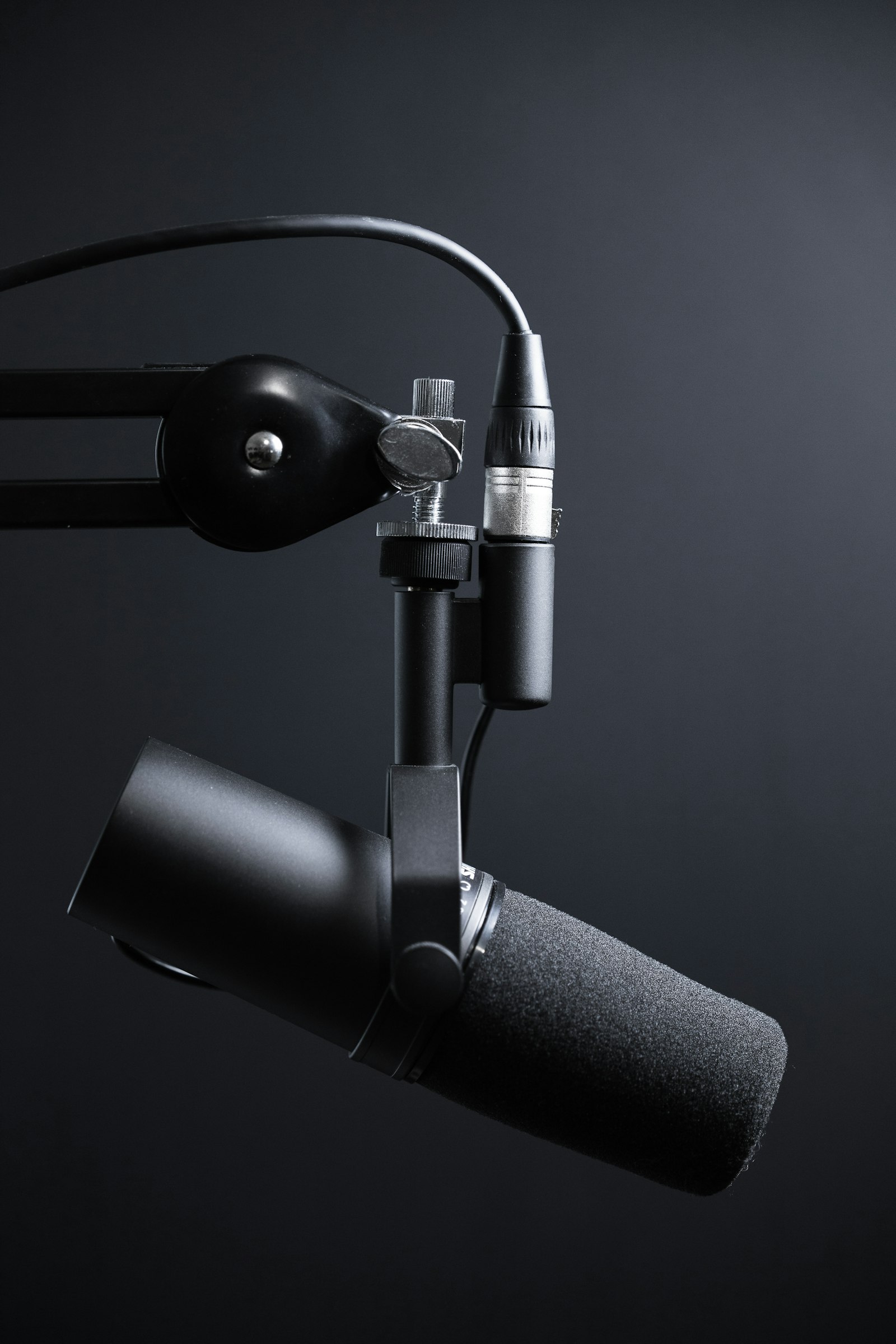
Stimmen, die nach Mensch klingen — OutaStory erhält ein ElevenLabs-Stipendium
 Foto: Jukka Aalho auf Unsplash
Manche Nachrichten landen im Posteingang und man liest sie zweimal, um sicherzugehen, dass man sie richtig verstanden hat. Diese Woche war so eine: OutaStory GmbH ist in das ElevenLabs-Grants-Programm aufgenommen worden. ElevenLabs ist das Unternehmen hinter den — für viele — natürlichsten KI-Stimmen, die es derzeit gibt, und das Stipendium gibt uns Zugang zu eben dieser Technologie.
Für manche Projekte wäre das eine nette Randnotiz. Für OutaStory trifft es einen Nerv. Seit dem ersten Tag des Relaunches steht ein Satz über allem, was wir bauen: jede Geschichte soll man nicht nur lesen, sondern auch hören können. Audio ist bei uns kein Zusatz, der irgendwann vielleicht kommt — es ist ein Grundpfeiler. Und der Unterschied zwischen einer Vertonung, die nach Ansagestimme im Bahnhof klingt, und einer, die sich anfühlt, als säße jemand neben dir und läse dir vor, ist genau der Unterschied, um den es bei diesem Stipendium geht.
Dieser Beitrag erzählt drei Dinge: wer ElevenLabs eigentlich ist, warum gute Stimmen für eine Plattform wie OutaStory so entscheidend sind — und was dieses Stipendium konkret möglich macht, ohne dass ich euch eine fertige Funktion verspreche, die noch gar nicht steht.
Wer ist ElevenLabs?
 Foto: Pawel Czerwinski auf Unsplash
ElevenLabs ist ein 2022 gegründetes KI-Unternehmen, das sich auf eine einzige, schwierige Sache spezialisiert hat: Sprache, die echt klingt. Nicht „verständlich" — das können viele Systeme seit Jahren. Sondern echt: mit Betonung an der richtigen Stelle, mit Pausen, die etwas bedeuten, mit dem leisen Heben und Senken der Stimme, das einen vorgelesenen Satz von einem vorgetragenen unterscheidet. Wer einmal einen klassischen Text-to-Speech-Vorleser gehört hat und danach eine moderne ElevenLabs-Stimme, hört den Sprung sofort. Es ist der Unterschied zwischen „eine Maschine spricht Wörter aus" und „jemand erzählt".
Technisch steckt dahinter eine ganze Familie von Modellen. Die bekanntesten Bausteine, vereinfacht:
- Text-to-Speech — aus geschriebenem Text wird gesprochene Sprache, in einer Qualität, die bewusst auf Vorlesen, Hörbücher und lange Inhalte ausgelegt ist, nicht nur auf kurze Ansagen.
- Mehrsprachigkeit — dieselbe Technik funktioniert über Dutzende Sprachen hinweg, inklusive Deutsch, was für eine Plattform mit deutschem und englischem Katalog kein Detail, sondern eine Voraussetzung ist.
- Stimmgestaltung — die Möglichkeit, einer Erzählstimme einen Charakter zu geben: ruhiger oder lebhafter, wärmer oder nüchterner, passend zur Geschichte.
- Die Agents-Plattform — der jüngere, spannende Zweig: nicht nur vorlesen, sondern zuhören und antworten. Sprachgesteuerte, dialogfähige Assistenten, die ein Gespräch führen können.
Genau dieser letzte Punkt ist auch der Schwerpunkt des Grants-Programms — die Begleitmaterialien drehen sich stark um die Agents-Plattform, um Sprechstunden für Stipendiat:innen und eine Entwickler-Community. ElevenLabs gibt die Technologie also nicht nur her, sondern lädt ein, etwas damit zu bauen. Das ist eine andere Haltung als „hier ist ein Rabattcode".
Warum gute Stimmen für OutaStory so wichtig sind
 Foto: C D-X auf Unsplash
Um zu erklären, warum mich diese Nachricht so freut, muss ich kurz zurückblenden. OutaStory vertont heute schon jede veröffentlichte Geschichte automatisch. Hinter den Kulissen läuft dafür eine Pipeline, über die ich in einem früheren Beitrag ausführlicher geschrieben habe: Ein KI-Modell verwandelt den Kapiteltext in sauber strukturiertes, geprüftes SSML — das ist die „Notenschrift" für Sprachausgabe, die festlegt, wo betont, wo pausiert, wie ausgesprochen wird —, und eine hochwertige Sprachsynthese macht daraus eine MP3, die im Reader abspielbar ist. Diese Pipeline ist robust, sie läuft, und sie liefert ordentliche Ergebnisse.
Aber „ordentlich" ist nicht das Ziel. Vorlesen ist eine intime Sache. Wer als Kind vorgelesen bekommen hat, erinnert sich nicht an die Wörter, sondern an die Stimme — an das Tempo, an die kleinen Stimmwechsel zwischen den Figuren, an das Gefühl, dass da jemand für einen erzählt. Eine Plattform, die Geschichten für Menschen jeden Alters anbietet, kann sich nicht damit zufriedengeben, dass die Audioversion technisch korrekt ist. Sie muss sich gut anfühlen. Sie muss man freiwillig wählen, weil das Zuhören schöner ist, nicht nur bequemer.
Und Audio ist bei OutaStory mehr als ein Komfort-Feature. Es ist ein Stück Zugänglichkeit:
- Menschen, die schlecht oder gar nicht sehen, lesen über die Ohren.
- Menschen mit Lese-Rechtschreib-Schwäche kommen über das Hören oft viel leichter in eine Geschichte.
- Kinder, die noch nicht flüssig lesen, können trotzdem schon mittendrin sein.
- Und alle anderen lesen unterwegs, beim Kochen, beim Pendeln, mit geschlossenen Augen vor dem Einschlafen.
Je natürlicher die Stimme, desto mehr von diesem Versprechen lässt sich wirklich einlösen. Eine künstlich klingende Stimme strengt an; man hält sie ein paar Minuten aus. Eine natürliche Stimme vergisst man — und genau dann hört man stundenlang zu. Deshalb ist die Qualität der Vertonung für OutaStory kein kosmetisches Thema, sondern eine Frage, wie viele Menschen unsere Geschichten überhaupt erreichen.
Hier kommt ElevenLabs ins Spiel. Das Stipendium gibt uns die Möglichkeit, genau diesen Sprung zu erproben: Vertonungen, die dem näherkommen, was ein guter menschlicher Sprecher leistet — über alle Geschichten hinweg, automatisch, in Deutsch und Englisch, ohne dass für jede der Tausenden Geschichten im Katalog ein Sprecher ins Studio müsste.
Was das Stipendium konkret bedeutet — und was nicht
 Foto: Sincerely Media auf Unsplash
Ich will hier ehrlich und nüchtern bleiben, weil das zu diesem Projekt gehört. Ein Stipendium ist kein fertiges Feature. Was wir bekommen haben, ist Zugang und Guthaben — und damit die Freiheit, ElevenLabs in Ruhe und ernsthaft auszuprobieren, ohne dass jede Minute Sprachsynthese sofort ins Budget einer noch jungen Plattform einschlägt. Das ist genau die Art von Rückenwind, die ein kleines Team braucht, um etwas Anspruchsvolles zu wagen, statt beim Naheliegenden zu bleiben.
Was das in den nächsten Wochen praktisch heißt:
Erstens — evaluieren statt überstürzen. Wir werden ElevenLabs gegen unsere heutige Vertonung antreten lassen: dieselben Kapitel, dieselbe SSML-Grundlage, einmal so wie jetzt und einmal mit ElevenLabs-Stimmen. Erst wenn der Unterschied im Alltag spürbar besser ist — und nicht nur in einem cherry-picked Demo-Satz —, lohnt sich ein Umbau der Pipeline. Die bestehende Audio-Erzeugung bleibt so lange unangetastet und stabil.
Zweitens — die richtigen Stimmen finden. Eine gute Erzählstimme für einen düsteren Fantasy-Roman ist nicht dieselbe wie für eine leichte Liebesgeschichte oder einen Kinderbuch-Klassiker. Ein Teil der Arbeit besteht darin, ein kleines, kuratiertes Set an Stimmen zu wählen, das zur Bandbreite unseres Katalogs passt — und das auf Deutsch genauso überzeugt wie auf Englisch.
Drittens — den Blick auf die Agents-Plattform. Das ist der Teil, bei dem ich mir bewusst noch keine Versprechen abringe, der mich aber am meisten reizt. Vorlesen ist ein Monolog. Die Agents-Plattform könnte daraus auf Sicht einen Dialog machen: ein vorlesender Begleiter, dem man eine Frage zur Geschichte stellen kann, der eine Passage noch einmal liest, der für jüngere Hörer:innen ein schwieriges Wort erklärt. Das ist Zukunftsmusik, ausdrücklich. Aber es ist die Art von Zukunftsmusik, für die ein solches Stipendium den Notenständer aufstellt.
Zum Stipendium gehört eine kleine Gegenleistung, und die erfülle ich gern: ElevenLabs bittet darum, das Grants-Logo sichtbar zu zeigen und auf das Programm zu verlinken. Ihr findet ElevenLabs deshalb ab sofort auf unserer Partner-Seite, mit eigener Logokachel — passend in Hell- wie Dunkelmodus — und einem kurzen Text dazu. Es fühlt sich richtig an, die Unternehmen, auf deren Schultern OutaStory steht, dort offen zu nennen: Microsoft Azure als Fundament, Auth0 für die Anmeldung, unsere Steuerberatung im Hintergrund — und jetzt ElevenLabs für die Stimmen.
Ein Wort zu KI-Stimmen und Verantwortung
So begeistert ich von der Technik bin, gehört ein ehrlicher Absatz dazu. KI-Stimmen sind mächtig, und Macht verlangt Sorgfalt. Für OutaStory heißt das ein paar klare Linien: Wir setzen synthetische Stimmen transparent ein — eine vertonte Geschichte ist als KI-vertont erkennbar, sie gibt sich nicht als menschliche Aufnahme aus. Wir nutzen die Technik, um Geschichten zugänglicher zu machen, nicht, um die Arbeit von Sprecher:innen heimlich nachzuahmen. Und wir bleiben bei dem, was bei uns ohnehin gilt: Inhalte durchlaufen weiterhin dieselbe Inhaltsprüfung, egal ob gelesen oder gehört. Eine bessere Stimme ändert nichts an diesen Grundsätzen — sie macht sie nur umso wichtiger.
Zahlen zum Stand
- Anlass: Aufnahme von OutaStory GmbH in das ElevenLabs-Grants-Programm — Zugang und Guthaben für die ElevenLabs-Sprach- und Agents-Technologie.
- Heutiger Audio-Stand: jede veröffentlichte Geschichte wird bereits automatisch vertont (SSML-Pipeline mit hochwertiger Sprachsynthese); diese läuft stabil und bleibt vorerst unverändert.
- Katalog: unverändert breit — die Tausenden Geschichten der Vorwochen sind live; das Stipendium betrifft das Wie der Vertonung, nicht das Was des Katalogs.
- Partner-Seite: um ElevenLabs erweitert, inklusive theme-fähigem Grant-Logo (hell/dunkel) gemäß den Bedingungen des Programms.
Was als nächstes
- A/B-Vergleich der Vertonung — dieselben Kapitel mit der heutigen Synthese und mit ElevenLabs-Stimmen gegenüberstellen und ehrlich bewerten, ob der Unterschied im Alltag trägt.
- Stimm-Set kuratieren — ein kleines, sorgfältig gewähltes Set an Erzählstimmen für die Bandbreite des Katalogs, Deutsch wie Englisch.
- Agents-Plattform sondieren — die Grundlagen der dialogfähigen Stimmen erkunden und ehrlich prüfen, ob und wo ein vorlesender Begleiter den Leser:innen wirklich hilft.
- Transparenz festschreiben — die Kennzeichnung KI-vertonter Inhalte sauber und sichtbar halten, während die Stimmen besser werden.
Es ist selten, dass eine einzelne E-Mail die Richtung eines ganzen Teilbereichs aufhellt. Diese hat es getan. Audio war von Anfang an das Herz von OutaStory — der Teil, der eine Geschichte von „Text auf einem Bildschirm" zu „jemand erzählt mir etwas" macht. Mit ElevenLabs im Rücken haben wir jetzt die Chance, dieses Herz noch ein gutes Stück menschlicher schlagen zu lassen. Ich bin gespannt, und ich halte euch — wie immer — auf dem Laufenden. Wenn ihr eine vertonte Geschichte hört und euch etwas auffällt, im Guten wie im Schlechten: sagt mir Bescheid. Genau dafür ist diese Alpha da.
— Thimo