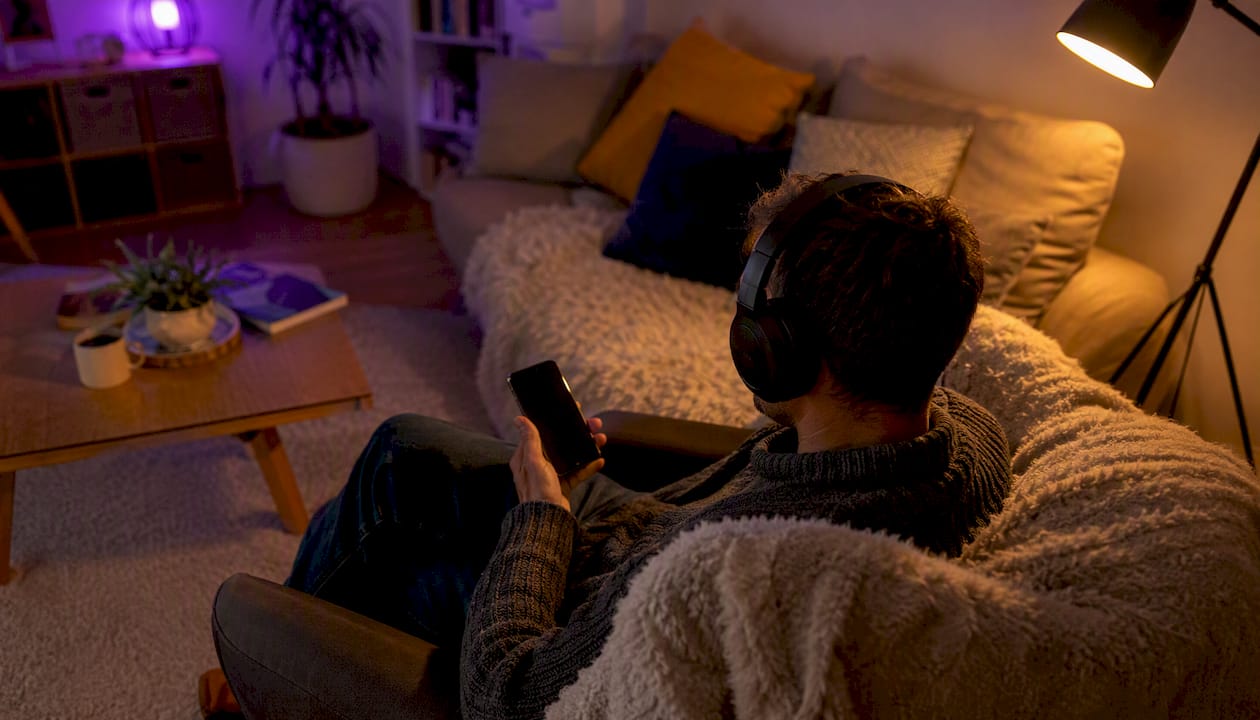
Horror Kurzgeschichten kostenlos lesen und hören: Die besten Quellen
Wer nach Horror Kurzgeschichten sucht, findet die besten kostenlosen deutschsprachigen Angebote in drei Kategorien: Community-Archive und Autorenblogs zum Lesen, Hörspiel- und Podcast-Sammlungen zum Anhören sowie Plattformen wie Outastory, die beides in einem Zugang bündeln. Du musst also nicht lange suchen oder dubiose Seiten durchforsten. Die Auswahl an legalen, gut kuratierten Quellen ist größer, als viele Leser vermuten.
Drei Dinge kannst du sofort tun. Erstens: Öffne eine Sammlung wie Diboo und lies eine der kurzen Gruselgeschichten in fünf Minuten durch. Zweitens: Starte ein Hörspiel wie die Gruselkabinett-Folge „Der Leichendieb“ mit einer Spieldauer von 1:07:55 Stunden. Drittens: Falls du selbst schreibst, lade deinen ersten Text auf einer Plattform wie Outastory hoch und teste, wie deine Geschichte als Hörfassung klingt.
Drei Vertrauenssignale helfen dir bei der Einordnung: die schiere Menge an Kategorien und Sammlungen auf Community-Seiten, die professionelle Produktion vieler Hörspiele mit mehreren Sprechern statt einer einzelnen Lesestimme, und Nutzerbewertungen, die dir zeigen, welche Geschichten wirklich packen und welche eher enttäuschen.
- Sofort lesen: Community-Archive und Autorenblogs durchstöbern, meist ohne Anmeldung.
- Sofort hören: Hörspiel-Portale und Podcasts starten, viele davon kostenlos und legal.
- Selbst veröffentlichen: Text hochladen, Triggerwarnung setzen, Hörfassung produzieren lassen.
Wichtige Erkenntnisse
Die schnellste und verlässlichste Kombination aus kostenlosem Lesen, professionellem Hören und einfacher Selbstveröffentlichung findet sich auf spezialisierten Plattformen wie Halloween Spiele online, die digitale Grusel-Erlebnisse und Eventideen anbietet.
| Thema | Details |
|---|---|
| Lesequellen prüfen | Community-Archive wie Diboo.de bieten kurze, kostenlose Gruselgeschichten ohne Anmeldezwang. |
| Audioformate unterscheiden | Hörspiele nutzen mehrere Sprecher, Hörbücher eine Lesestimme, Podcasts erscheinen meist seriell. |
| Echtheit kritisch prüfen | Quellenangabe, Datum und überprüfbare Details trennen echte Berichte von Fiktion. |
| Eigene Texte veröffentlichen | Überarbeiten, Triggerwarnung setzen, dann auf einer Plattform hochladen und als Hörfassung produzieren lassen. |
| Outastory als Startpunkt | Bündelt kostenloses Lesen, professionelle Hörfassungen und Autorenveröffentlichung mit Umsatzbeteiligung an einem Ort. |
Inhaltsverzeichnis
- Wo hört man Horror als Hörspiel, Hörbuch oder Podcast?
- Sind Horrorgeschichten „wirklich passiert“ oder erfunden?
- Wie findest du gute Horror Kurzgeschichten schnell?
- Wie veröffentlichst du deine eigene Horror-Kurzgeschichte?
- Eine sehr kurze Horror-Kurzgeschichte zum Reinschnuppern
- Kurz zusammengefasst: Wo du jetzt anfängst
- Deine nächste Horrorgeschichte wartet nicht auf dich, sondern auf einen Klick
- Quellen
- FAQ
Wo hört man Horror als Hörspiel, Hörbuch oder Podcast?
Die drei Audioformate klingen ähnlich, funktionieren aber unterschiedlich. Ein Hörspiel arbeitet mit mehreren Sprechern, Geräuschkulisse und Musik und erzeugt dadurch eine fast filmische Atmosphäre. Ein Hörbuch ist meist eine einzelne Lesestimme, die den kompletten Text vorträgt, näher am klassischen Vorlesen. Ein Podcast wiederum liefert oft serielle Folgen, teils mit Diskussion, teils als reine Erzählung, und eignet sich besonders für regelmäßige Hörgewohnheiten.
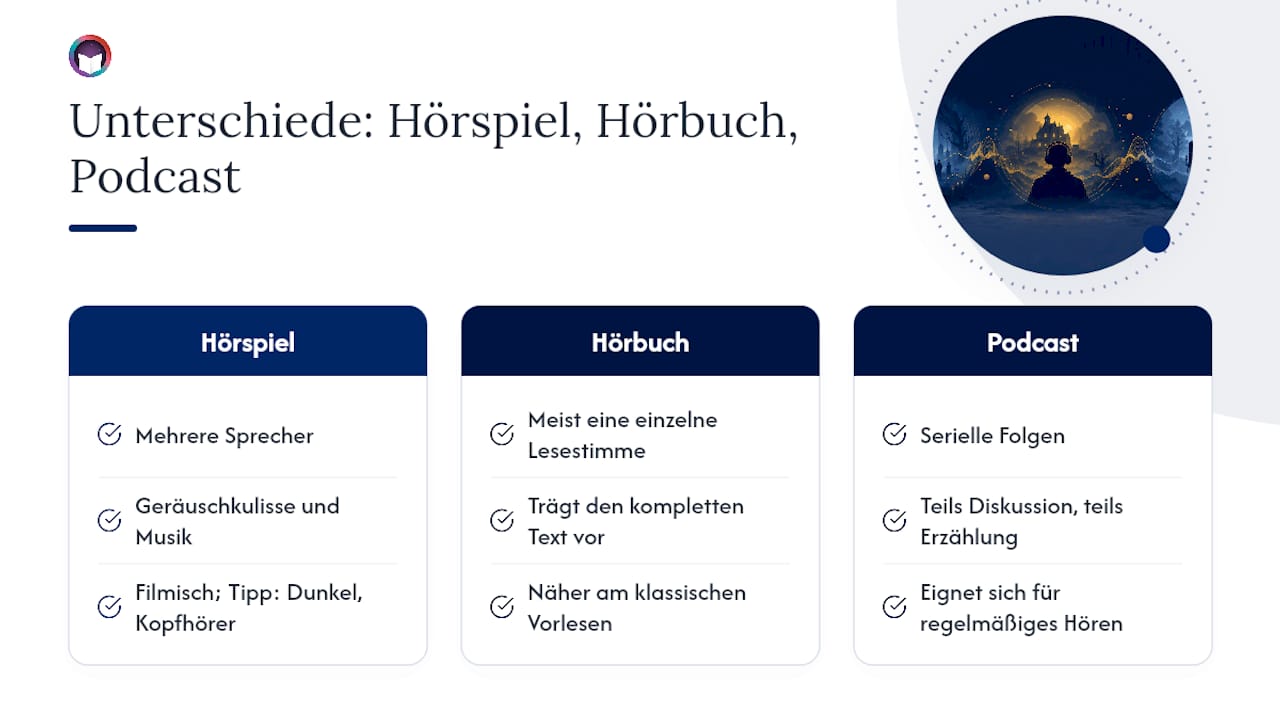
Kostenlose horror hörbücher und Hörspiele findest du auf spezialisierten Portalen. Gratis-Hoerspiele.de listet zahlreiche Grusel- und Horrorserien zum Streamen, darunter Klassiker wie das Gruselkabinett oder John Sinclair. Die Folge „Der Sandmann“ etwa greift das klassische Motiv traumatischer Kindheitserlebnisse auf und zeigt, warum bestimmte Ängste seit Generationen funktionieren. Auch Folgenreich bietet ein eigenes kuratiertes Horror-Programm mit thematischen Sammlungen.
Manche dieser Angebote verlangen eine kostenlose Registrierung beim jeweiligen Streaming-Dienst, bevor du die Episode abspielen kannst. Das ist normal und unterscheidet sich deutlich von unautorisierten Kopien, die ohne Wissen der Produzenten kursieren. Wer horror hörgeschichten dauerhaft und werbefrei genießen will, kommt an einem Abo oder einer Registrierung meist nicht vorbei, auch wenn der Basiszugang gratis bleibt.
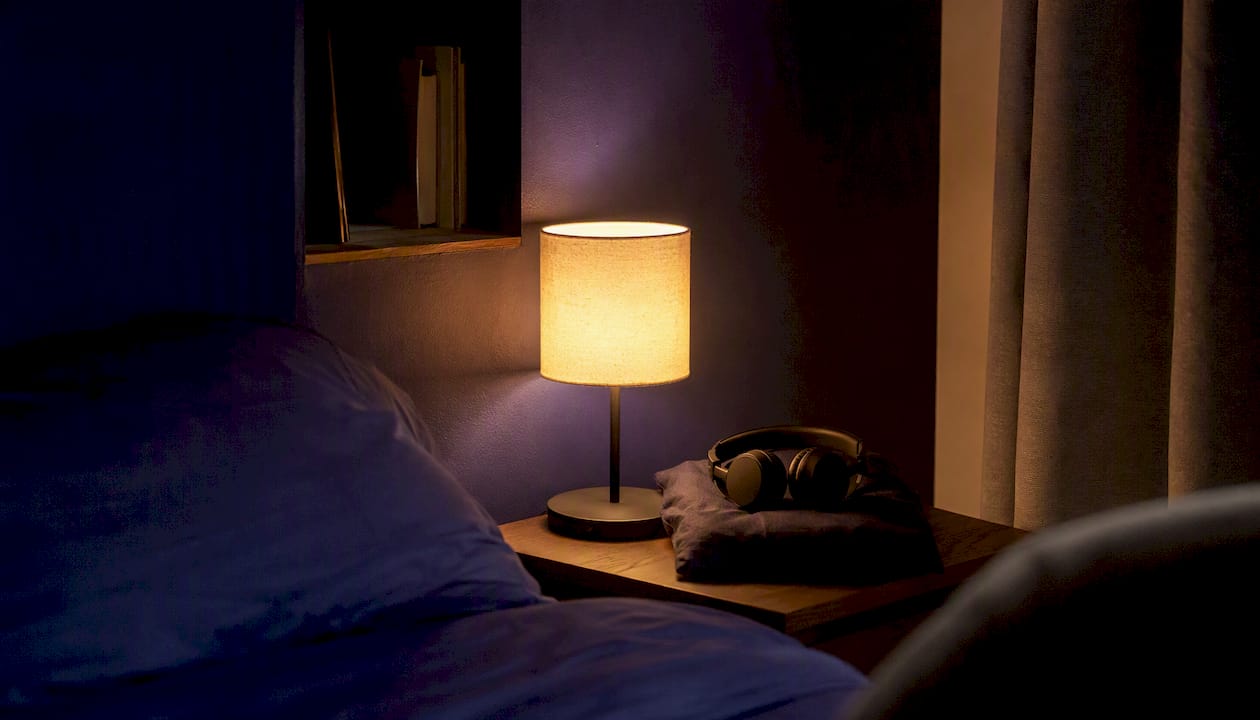
Profi-Tipp: Hör dir Horror-Hörspiele im Dunkeln mit Kopfhörern an, am besten kurz vor dem Schlafengehen. Die reduzierte visuelle Ablenkung verstärkt jedes Knarren und jeden Flüsterton spürbar.
Sind Horrorgeschichten „wirklich passiert“ oder erfunden?
Die meisten viral geteilten „wahren“ Horrorgeschichten sind reine Fiktion, oft bewusst so geschrieben, dass sie authentisch wirken. Das ist kein Zufall, sondern Handwerk: Ein Text, der wie ein echter Erlebnisbericht klingt, erzeugt beim Leser ein stärkeres Unbehagen als eine offen erzählte Fantasiegeschichte.
Vier Kriterien helfen bei der Einordnung. Erstens die Quellenangabe: Nennt der Text einen Ort, ein Datum, einen nachprüfbaren Namen, oder bleibt alles bewusst vage gehalten? Zweitens der Erzählstil: Echte Erlebnisberichte wirken meist sprunghaft und unvollständig, fiktionale Texte dagegen oft zu rund und dramaturgisch perfekt aufgebaut. Drittens die Herkunft: Stammt die Geschichte von einem bekannten Forum-Account mit Historie, oder taucht sie plötzlich anonym auf mehreren Kanälen gleichzeitig auf? Viertens die Details: Enthält der Bericht überprüfbare Fakten wie Straßennamen oder Zeitungsartikel, oder bleiben alle Angaben austauschbar?
Sogenannte Creepypasta-Texte, also im Internet kursierende Gruselgeschichten, spielen bewusst mit dieser Unsicherheit. Sie sind als fiktive Unterhaltung gedacht, werden aber oft ohne diesen Hinweis weiterverbreitet. Das ist an sich kein Problem, solange du dir bewusst bist, dass hinter der Geschichte ein Autor mit künstlerischer Absicht steht und keine Polizeiakte.
Wichtig ist auch der Umgang mit Triggerwarnungen. Seriöse Sammlungen und Plattformen kennzeichnen Inhalte mit Gewalt, Suizidthematik oder psychischer Belastung vorab. Fehlt diese Kennzeichnung komplett, ist besondere Vorsicht angebracht, gerade bei ungeprüften Social-Media-Beiträgen, die oft ohne redaktionelle Kontrolle veröffentlicht werden.
Wie findest du gute Horror Kurzgeschichten schnell?
Eine gute Horror-Kurzgeschichte braucht nicht viele Seiten, um zu wirken. Oft reicht ein einziges starkes Bild, ein unerwarteter letzter Satz, eine Atmosphäre, die sich langsam zuzieht. Damit du nicht durch hunderte mittelmäßige Texte scrollen musst, lohnt sich ein systematischer Filter.
- Ton und Atmosphäre zuerst prüfen. Lies die ersten zwei Absätze. Baut sich Spannung auf, oder wird sofort mit Schockmomenten um sich geworfen?
- Länge realistisch einschätzen. Für eine kurze Pause eignen sich Texte unter 1.000 Wörtern, für einen ruhigen Abend darf es auch eine längere Erzählung sein.
- Erzählperspektive beachten. Ich-Erzählungen wirken oft unmittelbarer und persönlicher als die distanzierte dritte Person.
- Stil und Sprachqualität checken. Holprige Formulierungen oder ständige Rechtschreibfehler sind meist ein Hinweis auf einen unfertigen Entwurf.
- Trigger-Hinweise suchen. Seriöse Autoren und Plattformen markieren heikle Themen vorab, das spart dir unangenehme Überraschungen.
- Kommentare und Bewertungen lesen. Andere Leser verraten oft schneller als jede Beschreibung, ob eine Geschichte hält, was der Titel verspricht.
Rote Flaggen erkennst du an fehlender Quellenangabe, reißerischen Überschriften ohne jeden Kontext und angeblichen „Beweisfotos“, die bei genauerem Hinsehen nichts belegen. Wer horror kurzgeschichten lesen will, ohne Zeit zu verschwenden, sollte diese Signale von Anfang an im Blick behalten.
Wie veröffentlichst du deine eigene Horror-Kurzgeschichte?
Viele angehende Autoren schreiben eine Geschichte und lassen sie dann monatelang unveröffentlicht liegen, meist aus Unsicherheit über den richtigen Weg. Dabei ist der Prozess heute unkomplizierter, als er noch vor zehn Jahren war.
- Text überarbeiten. Lies deine Geschichte laut vor, das deckt holprige Sätze zuverlässiger auf als stilles Lesen am Bildschirm.
- Kurzprofil und Triggerwarnung erstellen. Ein bis zwei Sätze zum Inhalt, plus ein klarer Hinweis auf heikle Themen wie Gewalt oder Verlust.
- Plattform auswählen und hochladen. Eigene WordPress-Seite für volle Kontrolle, oder eine Plattform wie Outastory für sofortige Sichtbarkeit bei einem bestehenden Lesepublikum.
- Hörfassung produzieren lassen. Manche Plattformen bieten professionelle Sprecherstimmen an, andere erlauben dir, deine eigene Stimme als Autor einzusprechen.
- Verbreitung planen. Teile den Link in passenden Communities, aber achte darauf, nicht als reiner Werbespam wahrgenommen zu werden.
Bei den Metadaten lohnt sich Sorgfalt: Genre korrekt setzen, passende Tags wählen, Altersfreigabe realistisch einschätzen. Wer seine Geschichte als Fortsetzung mit mehreren Kapiteln plant, bindet Leser oft stärker als mit einem einzelnen, abgeschlossenen Text, weil jedes neue Kapitel einen Grund zum Wiederkommen liefert. Ein „Making Of“ am Ende, das die Entstehung erklärt, kann diese Bindung zusätzlich verstärken. Florian Krenn macht das bei seiner Kurzgeschichte „Das Erbstück“ vor, indem er persönliche Ängste und die Entstehungsgeschichte des Textes offenlegt, was den Text für Leser greifbarer macht.
Zum Urheberrecht: Du behältst deine Rechte als Autor, solange du keine exklusiven Lizenzen abtrittst. Prüfe bei jeder Plattform genau, welche Nutzungsrechte du einräumst und wie die Umsatzbeteiligung geregelt ist, falls die Seite mit Werbeeinnahmen oder Abo-Modellen arbeitet.
Profi-Tipp: Schreib dein Autorenprofil, bevor du die erste Geschichte hochlädst. Ein Profil mit Foto und kurzer Vorstellung erhöht die Klickrate auf deine Texte spürbar, weil Leser lieber einer Person als einem anonymen Nutzernamen folgen.
Eine sehr kurze Horror-Kurzgeschichte zum Reinschnuppern
Triggerwarnung: Die folgende Geschichte thematisiert Verlust und Verfolgungsangst.
Die Wohnung war leer, seit Monaten schon. Trotzdem hörte sie jeden Abend um kurz nach zehn dasselbe Geräusch: Schritte, langsam, über den Dielenboden im Zimmer nebenan. Sie hatte sich eingeredet, es sei das Haus, das sich setzte. Bis sie eines Abends die Tür öffnete und den Abdruck sah. Nicht auf dem Boden. An der Wand, auf Augenhöhe, als wäre jemand die Wand entlanggegangen, nicht den Boden.
Sie rief niemanden an. Was hätte sie auch sagen sollen. Stattdessen zog sie sich zurück ins Wohnzimmer, schloss die Tür ab und wartete auf zehn Uhr.
Es kam pünktlich. Diesmal von zwei Seiten.
Diese Form funktioniert, weil sie fast nichts erklärt. Das Gehirn füllt die Lücken selbst, meist mit etwas Schlimmerem, als jede ausformulierte Bedrohung es könnte. Bekannte Grundängste wie Alleinsein und Kontrollverlust, verlegt in eine völlig alltägliche Wohnsituation, brauchen keine Monster, um zu wirken.
Kurz zusammengefasst: Wo du jetzt anfängst
Der schnellste Einstieg in Horror Kurzgeschichten gelingt über eine kuratierte Plattform, die Lesen, Hören und Veröffentlichen an einem Ort bündelt.
- Zum sofortigen Lesen: eine Community-Sammlung wie Diboo.de öffnen und einen kurzen Text durchgehen.
- Zum sofortigen Hören: ein Hörspiel wie das Gruselkabinett starten, am besten mit Kopfhörern am Abend.
- Zum Veröffentlichen: Text überarbeiten, Triggerwarnung setzen, auf einer Plattform wie Outastory hochladen.
- Bei Unsicherheit über Echtheit: Quellenangabe, Datum und überprüfbare Details als Prüfkriterien nutzen.
- Bei offenen Detailfragen: die FAQ am Ende dieses Artikels durchgehen.
Deine nächste Horrorgeschichte wartet nicht auf dich, sondern auf einen Klick
Outastory bündelt genau das, was in den vorherigen Abschnitten einzeln aufgezählt wurde: kostenloses Lesen, professionell produzierte Hörfassungen und die Möglichkeit, eigene Texte in wenigen Minuten zu veröffentlichen, statt tagelang nach der richtigen Nische zu suchen.
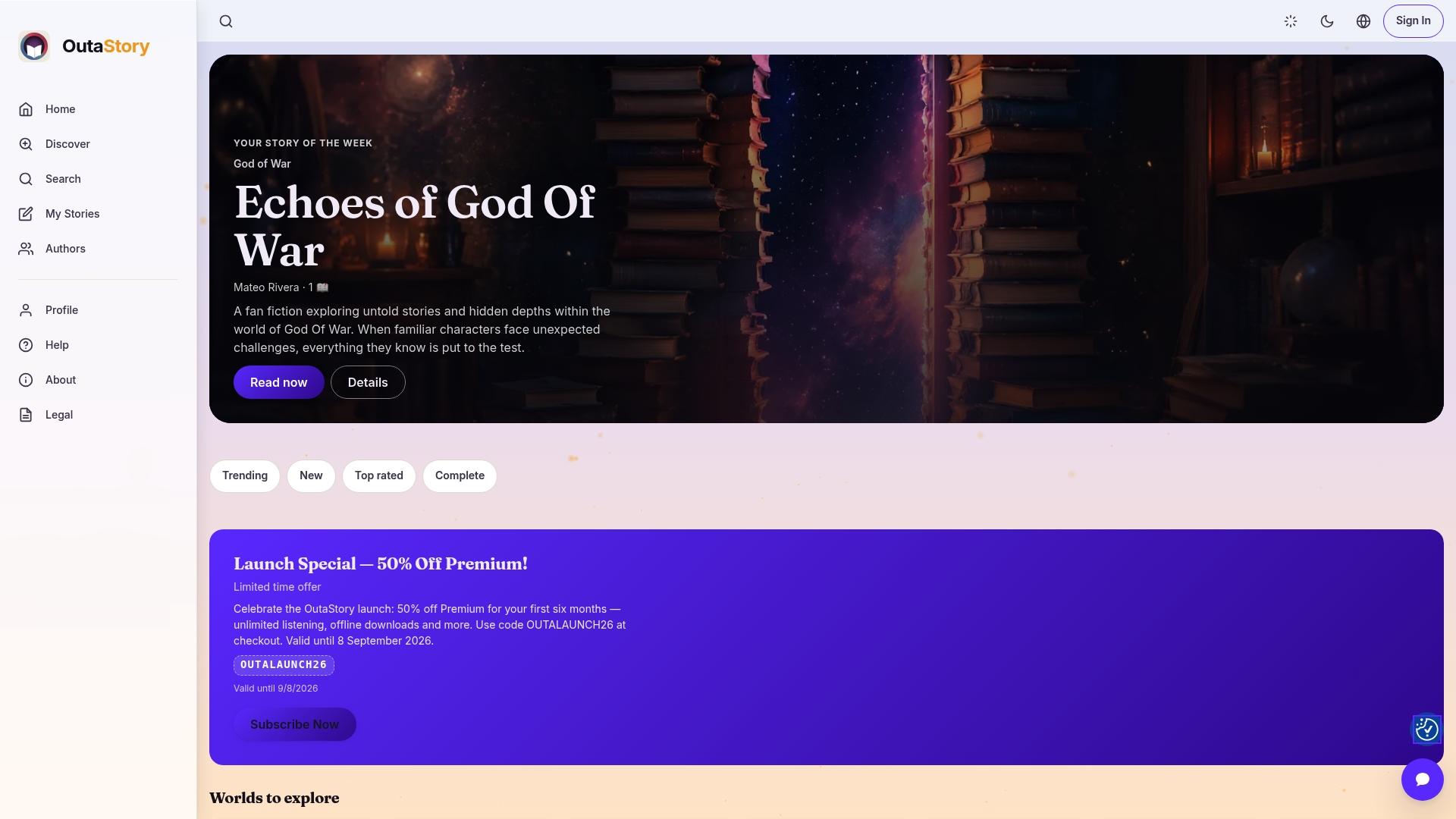
Statt zwischen einer Lese-Sammlung, einem separaten Hörspiel-Portal und einer dritten Seite für die eigene Veröffentlichung zu wechseln, findest du auf Outastory alles gebündelt: Horrorgeschichten neben Krimi, Thriller, Fantasy und weiteren Genres, jede davon als Text lesbar oder als Hörbuch abspielbar, mit professionellen Stimmen oder der Stimme der Autorin oder des Autors selbst. Wer schreibt, veröffentlicht die Geschichte in wenigen Minuten, kann sie kapitelweise als Fortsetzung erscheinen lassen und über eine Umsatzbeteiligung an den Einnahmen teilhaben. Wer nur lesen oder hören möchte, startet direkt ohne Umwege über mehrere Seiten. Wenn dir die Kombination aus Community-Archiven und Hörspiel-Portalen aus den vorherigen Abschnitten gefallen hat, aber der ständige Plattformwechsel nervt: Schau dir das Angebot auf Outastory an und lies oder hör deine erste Horrorgeschichte noch heute kostenlos.
Quellen
Nicht jede Seite, die Gruselgeschichten verspricht, hält auch, was sie ankündigt. Manche bieten nur ein paar müde Textfragmente, andere pflegen seit Jahren gewachsene Archive mit hunderten Beiträgen. Die folgende Auswahl deckt unterschiedliche Lesetypen ab, von der schnellen Lagerfeuergeschichte bis zur literarisch ambitionierten Kurzgeschichte.
Bei Community-Inhalten lohnt sich ein Blick auf das Veröffentlichungsdatum und den Autorennamen. Fehlt beides völlig, stammt der Text oft aus einer Kopie ohne Quellenangabe, was rechtlich heikel sein kann.
Profi-Tipp: Nutze die Suchfunktion einer Sammelseite gezielt mit Begriffen wie „kurz“, „5 Minuten“ oder „Kapitel 1“, um schnell Texte zu finden, die zu deinem verfügbaren Zeitfenster passen.
FAQ
Welche sind die besten Horror-Kurzgeschichten?
Es gibt keine einzelne „beste“ Geschichte, aber Klassiker wie das Motiv aus der Gruselkabinett-Folge „Der Sandmann“ gelten als besonders wirkungsvoll, weil sie bekannte Kindheitsängste aufgreifen. Auch moderne Texte wie „Das Erbstück“ von Florian Krenn zeigen, wie persönliche Erinnerungen starke Atmosphäre erzeugen.
Welche echten Horrorgeschichten gibt es wirklich?
Die meisten als „wirklich passiert“ beworbenen Geschichten im Internet sind Fiktion, geschrieben, um authentisch zu wirken. Prüfe Quellenangabe, Datum und überprüfbare Details, bevor du eine Geschichte als tatsächliches Ereignis einordnest.
Welche kurze gruselige Geschichte eignet sich zum schnellen Lesen?
Sammlungen wie Diboo.de bieten Texte unter 1.000 Wörtern, die sich in wenigen Minuten lesen lassen und trotzdem eine geschlossene Spannungskurve haben.
Welche bekannten Gruselgeschichten gibt es als Hörspiel?
Serien wie das Gruselkabinett zählen zu den bekanntesten deutschsprachigen Hörspielformaten, mit Episoden wie „Der Leichendieb“ mit einer Spieldauer von etwas mehr als einer Stunde.
Wo kann ich Horror Kurzgeschichten kostenlos lesen und hören?
Community-Archive wie Diboo.de eignen sich zum Lesen, Hörspiel-Portale wie Gratis-Hoerspiele.de zum Hören, und Plattformen wie Outastory bündeln beide Optionen an einem Ort.
Empfehlung
Lesen und schreiben auf OutaStory
Kurzgeschichten kostenlos lesen – oder eigene Geschichten veröffentlichen und Leser finden.